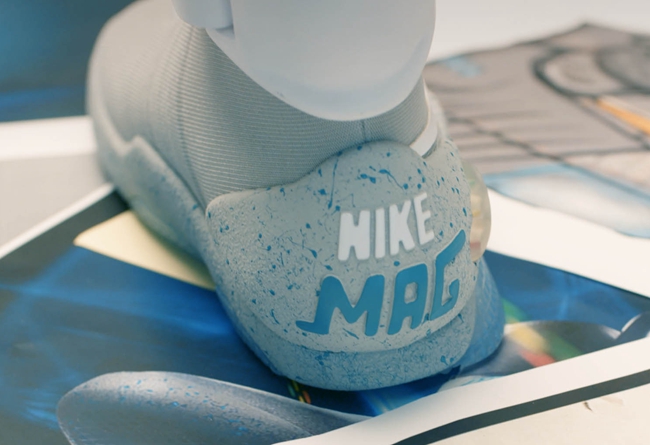
With the continuous development of sneaker culture and the popularization of the Internet, our access to sneaker information is also more abundant. Many of us are often confused when we see some English abbreviations or specific terms in sneaker news and related articles. For example, why is Boost described as popcorn? What is the difference between GS, BG and GG in Jordan shoes?

I will previously Sneaker Sneaker Terminology Encyclopedia tographical approachDetailed explanations of various abbreviations and terms, compared to the boring text version is more intuitive, hope to bring you a better reading experience, to facilitate further deepen the understanding of the sneakers.
Terminology related to midsole
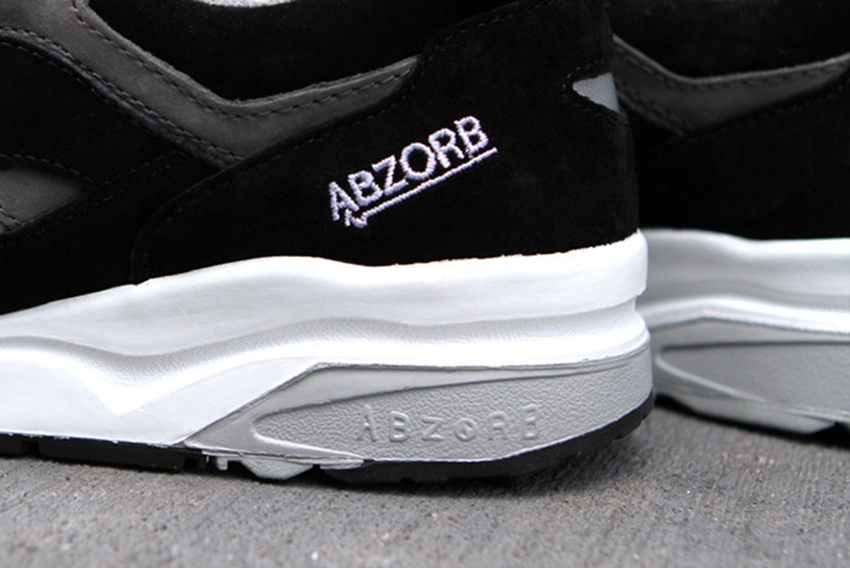
Abzorb - New Balance and DuPont collaborated to develop a shock-absorbing material, which absorbs ground reaction forces above 99%, preventing the spine, knees, and ankles from being crushed by undue ground reaction forces, which can cause sports injuries. At the same time, the absorbed reaction force is converted into propulsion for the next movement, helping to save physical energy.
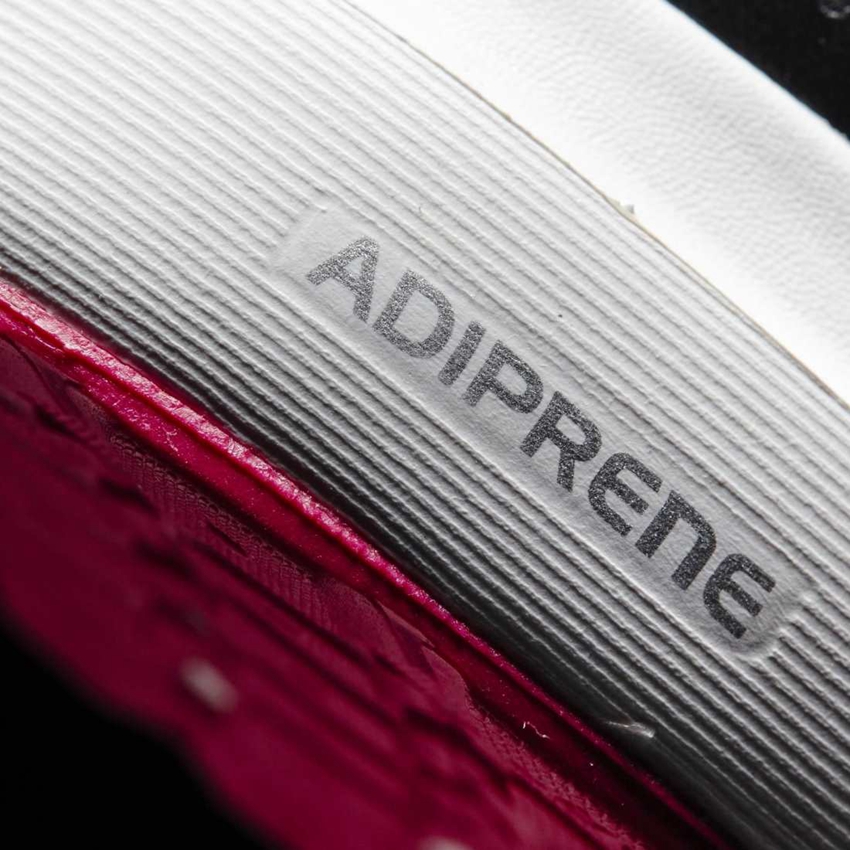
adiPRENE - adiPRENE is made of EVA material that has undergone high-temperature decomposition to rearrange its molecules. It is usually placed in the area of the heel where cushioning is needed to enhance the stability and protection of the feet, and is a common rear-heel cushioning technology in adidas.
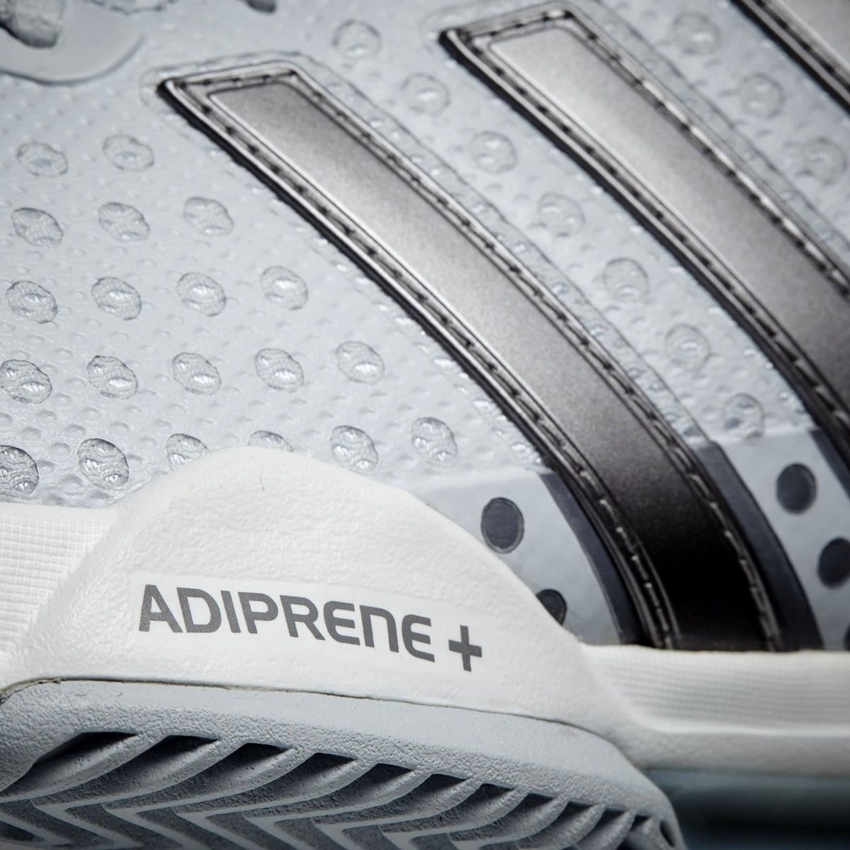
adiPRENE+ - Compared to the adiPRENE, this guy with a plus sign is more flexible and is commonly used in the forefoot area, which not only provides excellent cushioning, but the elasticity of the performance helps the feet to be more rapid in the process of launching.
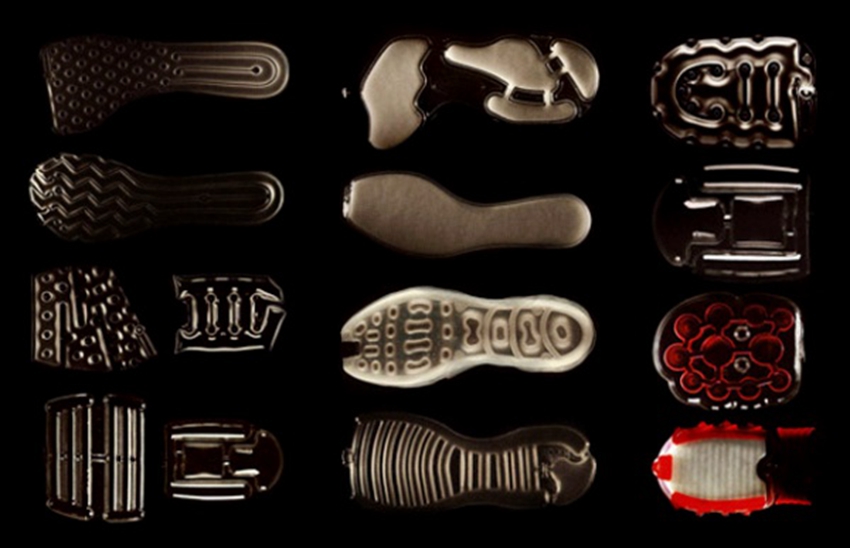
Air - Nike developed professional sports shoes cushioning air cushion collectively. The main use of a kind of urethane material to create the wall of the airbag, which is filled with high-pressure special macromolecule gas, often placed in the midsole of the sneaker. When the air cushion is impacted, it can quickly cushion, with lightweight, moldable and other characteristics. As time changes, the Nike Air has evolved into a variety of upgraded models, and has always been the mainstay of cushioning technology in Nike sneakers.
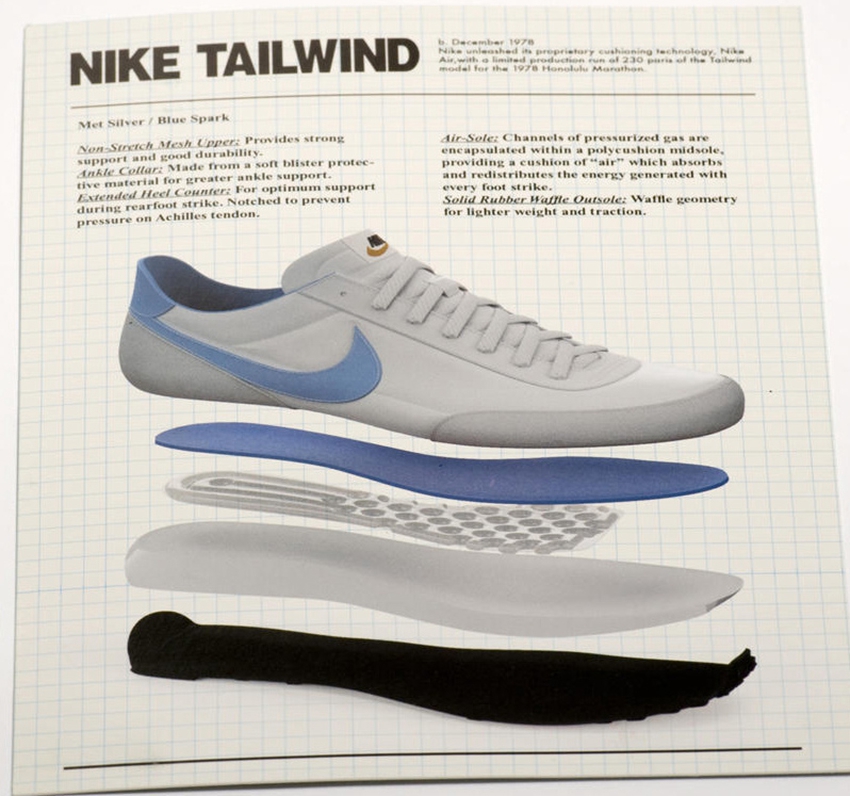
Air Sole - Introduced in 1979, the Air Sole was the original form of the Nike Air, a high-pressure infusion of Nike Air gas into a tough synthetic rubber layer that was placed in the midsole for cushioning.The Nike Air Tailwind was the first sneaker to feature a Nike Air air cushion.
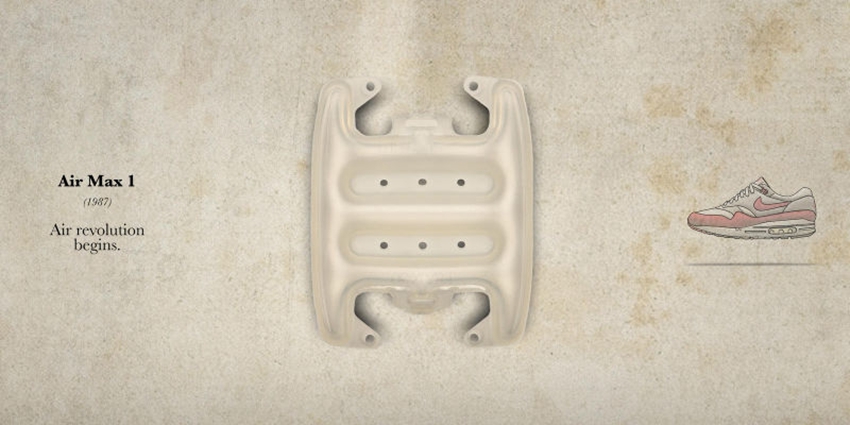
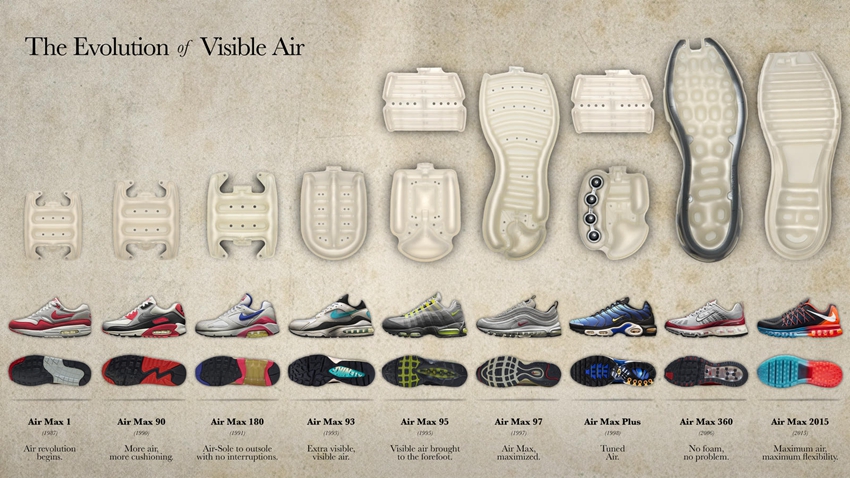
Air Max - In 1987, the Air Max 1 was created to not only increase the capacity of the air cushion, but also to bring this mysterious black technology to life in a visible way. Since then, the evolution of the Air Max has continued, and this March 26th (Air Max Day) will see the release of its newest form, the VaporMax.
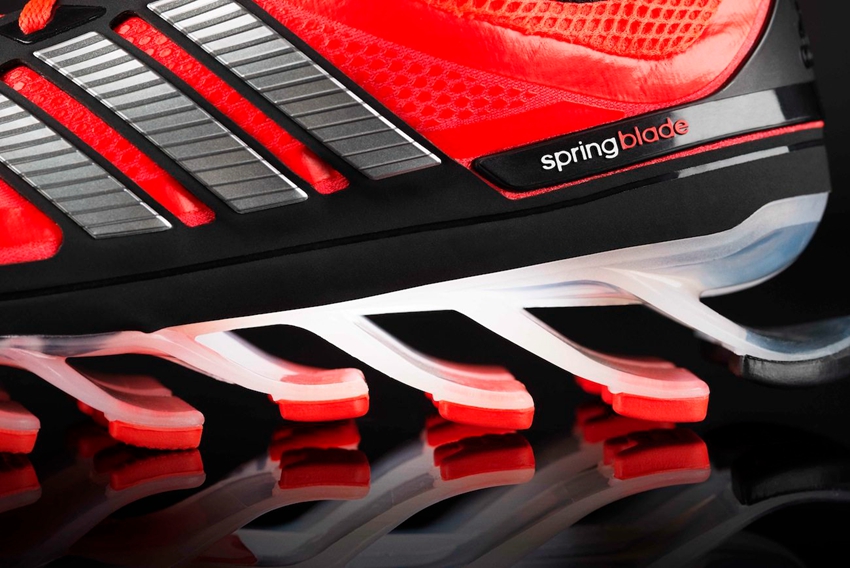
Blade - The Blade is a new midsole cushioning system developed by adidas over the past 6 years. Instead of the traditional EVA midsole structure, multiple polymers are arranged in a "blade" shape for powerful energy return.
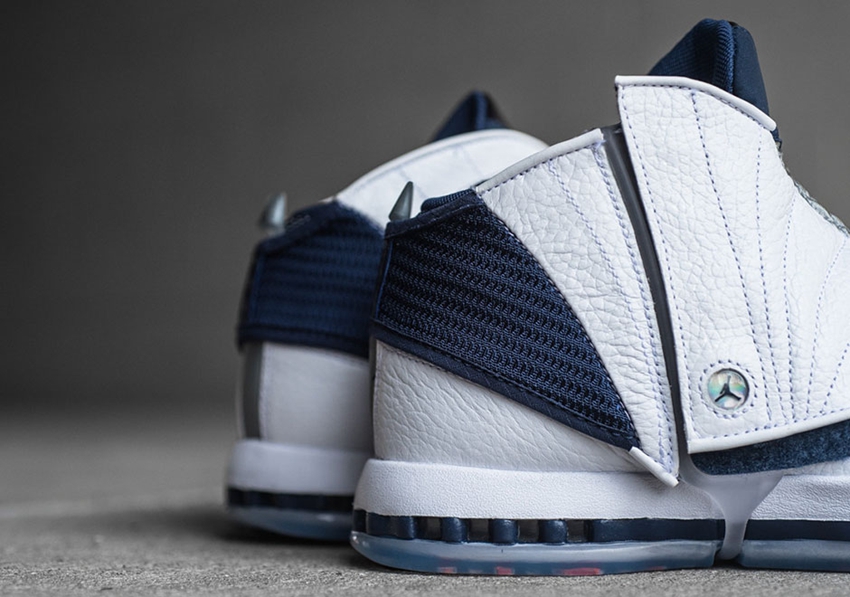
Blow Molded Air - Blow Molded Air Cushion. A low-pressure Air Max air cushion is integrated into the support structure of the Air Jordan 16.
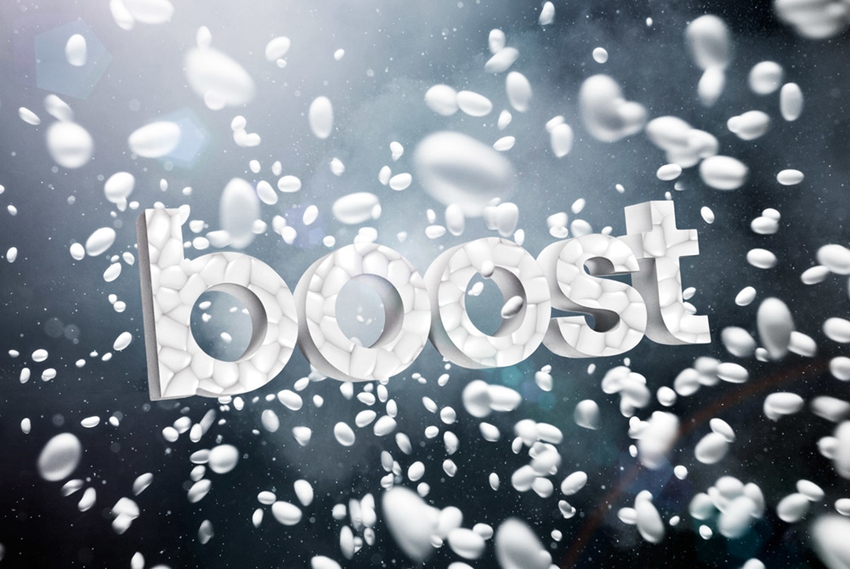
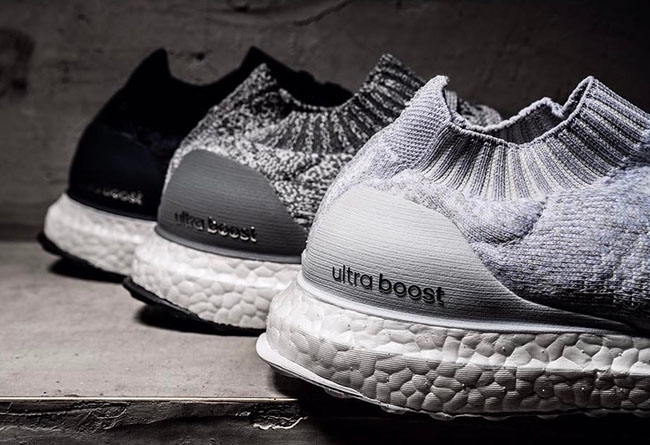
Boost - Boost is the result of a collaboration that began in 2007 between adidas and global chemical giant BASF Chemicals. The TPU (thermoplastic polyurethane) is broken down like popcorn into thousands of tiny energy capsules that are extremely resilient, and these small, storable, releasable particles are molded into the midsole of the running shoe.
Bounce - In the early days, adidas Bounce utilized a TPU midsole with a theta structure for cushioning and rebound, represented by Garnett's adidas Bounce Garnett 07 and TS Bounce Commander, etc. In recent years, Bounce has evolved into a midsole made of EVA cushioning. In recent years, Bounce has changed its dominant appearance and evolved into an EVA cushioning midsole, represented by Lillard's new boot, the Dame3.
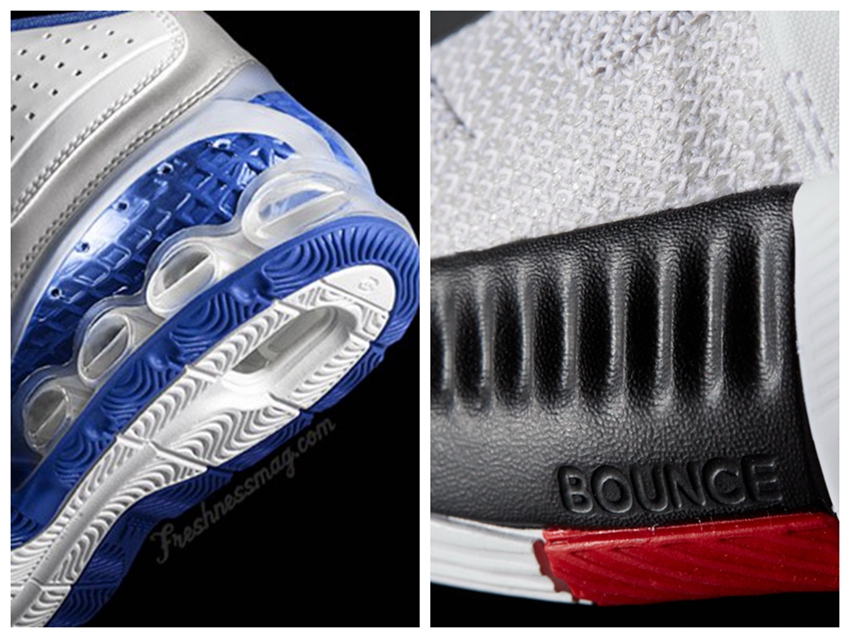
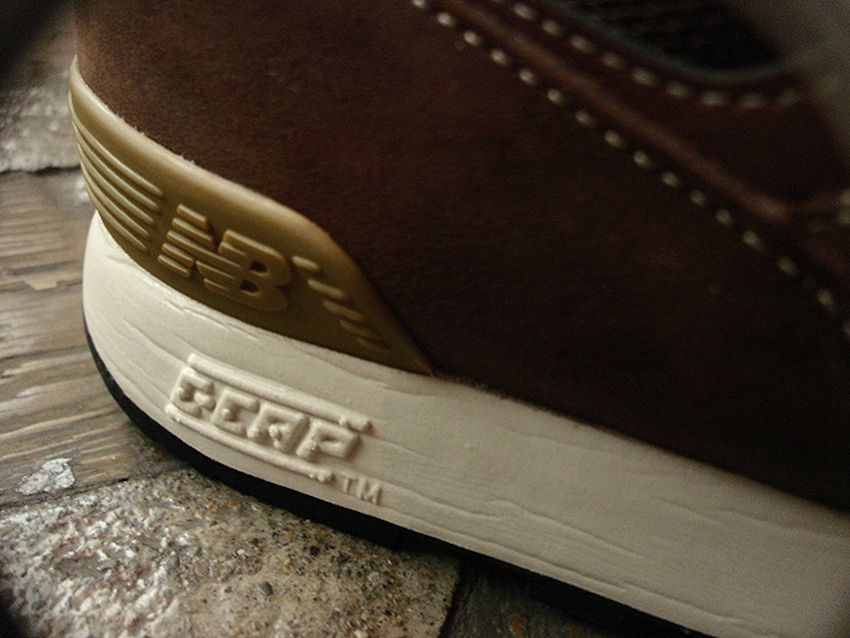
C-CAP - New Balance compressed multiple layers of EVA foam into the inverted mold of the midsole for soft cushioning.
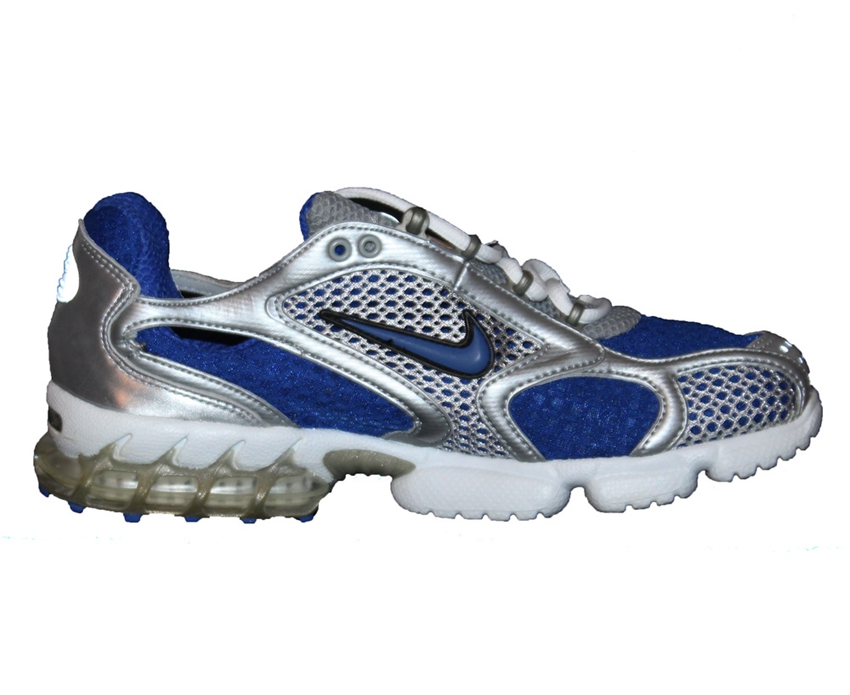
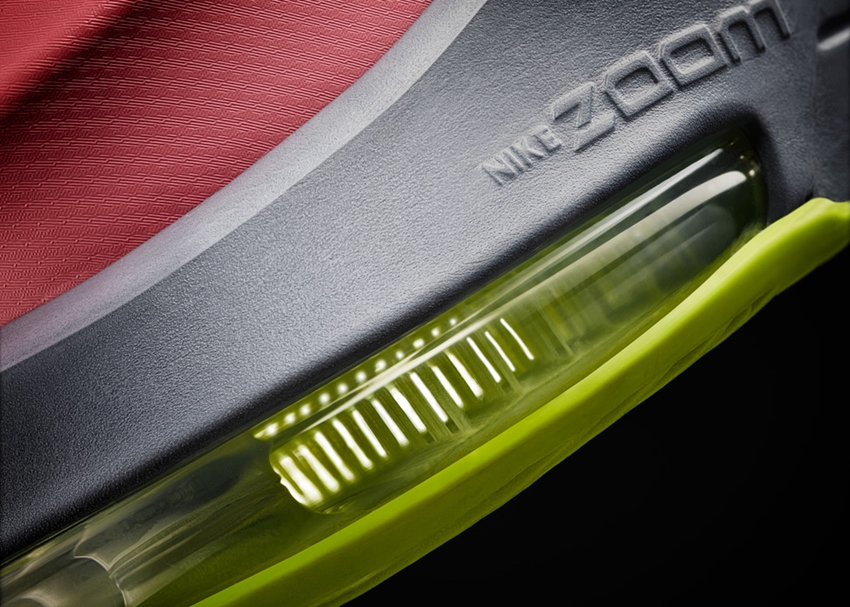
Cage Zoom - External visible Zoom Air with more capacity and better cushioning. Representative shoes Zoom Miller, LeBron 2 and so on.
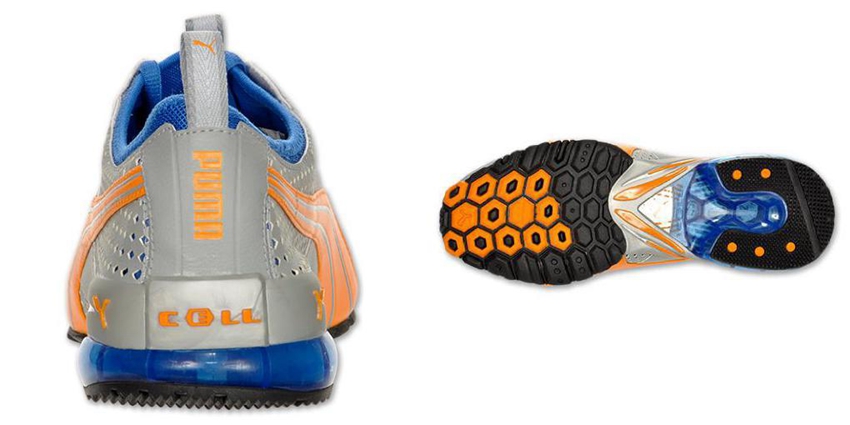
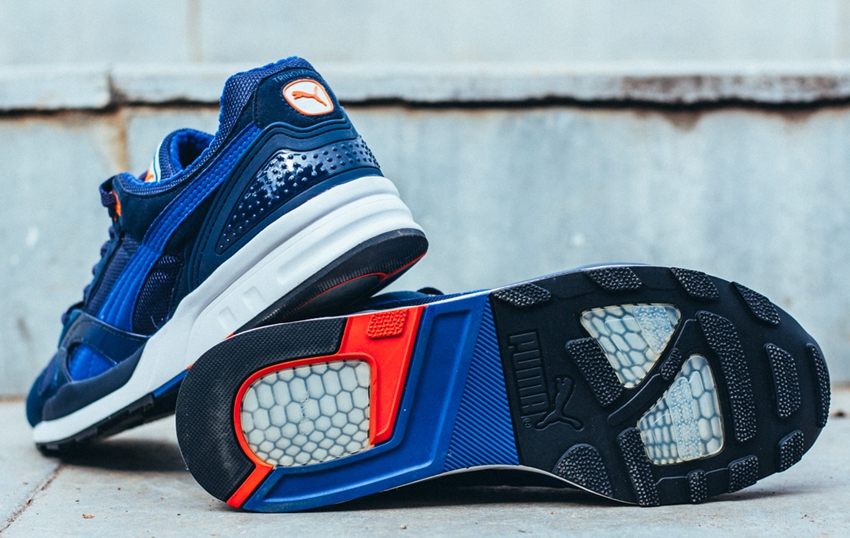
Cell - Since the Puma Trinomic, PUMA has introduced an improved version of the Cellular Air Cushion CELL, with the size and thickness of the midsole's hexagonal cellular air pockets adjusted according to the forces applied.
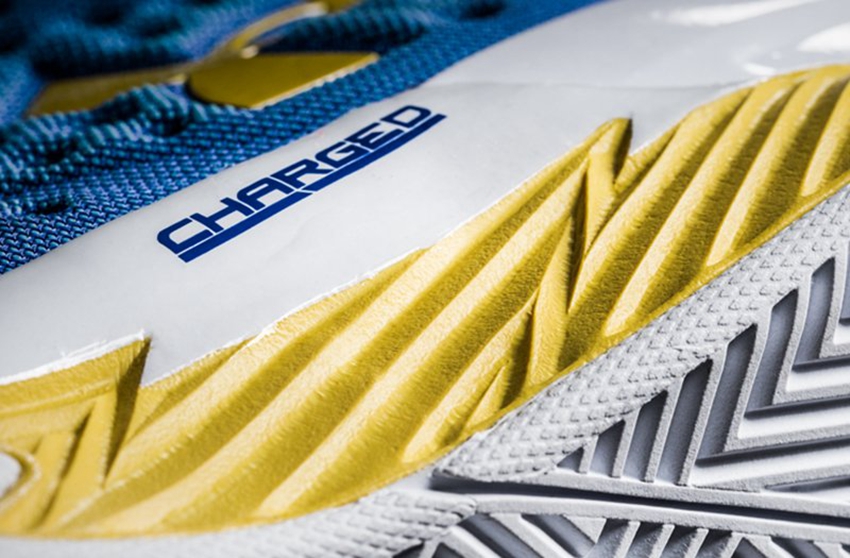
Charged Cushion - A staple of UA's cushioning technology, the Charged cushioning is tuned with an EVA density extrusion that converts the impact of a landing into an activated burst of power for a softer, more flexible cushioning experience.
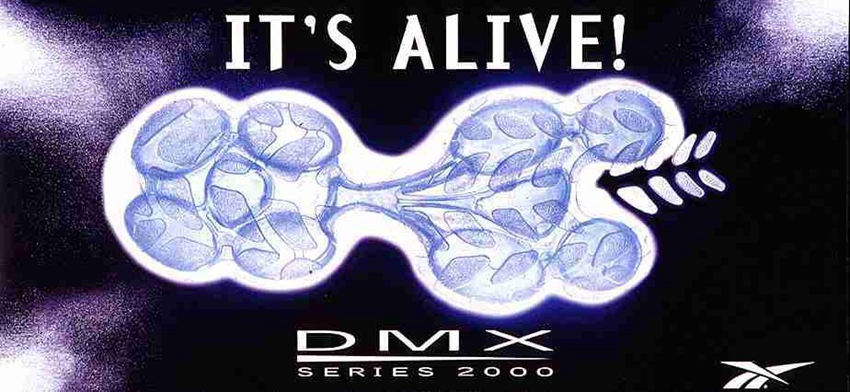
Dynamic Motion X (DMX) - DMX is an airbag cushioning technology developed by Reebok to flow gas. The DMX is a gas cushioning technology developed by Reebok. Early models include DMX6, DMX10, etc. The number represents the number of airbags. The DMX mega, DMX micro, etc. also appeared in later years. Due to the limitation of technology, DMX initially has a surging feeling, but with the passage of time, it will be dried out, leakage and other phenomena will occur. Special attention is paid to the DMX Ride and DMX foam, which are different from the early DMX flow airbag concept and have become cushioning rubber midsole structures.
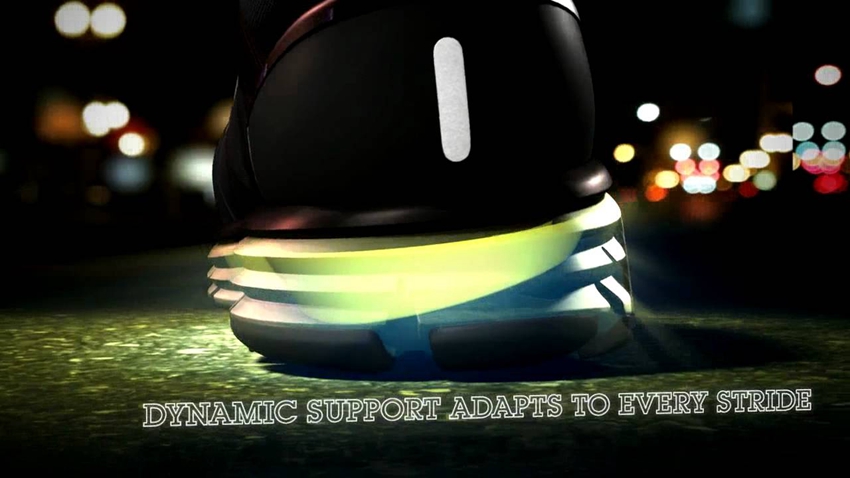
Dynamic Support - Dynamic Support System. In response to the nature of running, Nike developed the Dynamic Support System, which combines cushioning and support to adjust the midsole's support performance according to the runner's own habits, so that running shoes with the Dynamic Support System can be adapted as much as possible to each runner.
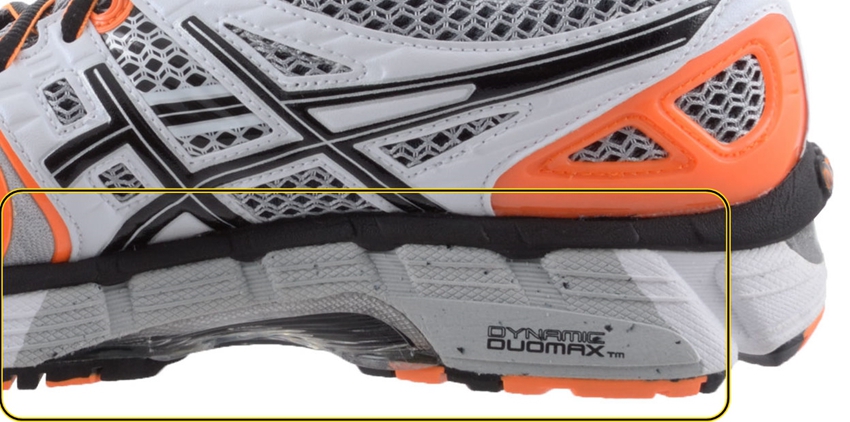
DuoMax Support System - A dual-density midsole developed by ASICS. Commonly used in stabilizing and supportive running shoes. Prevents excessive lateral tilting of the feet and corrects running posture.
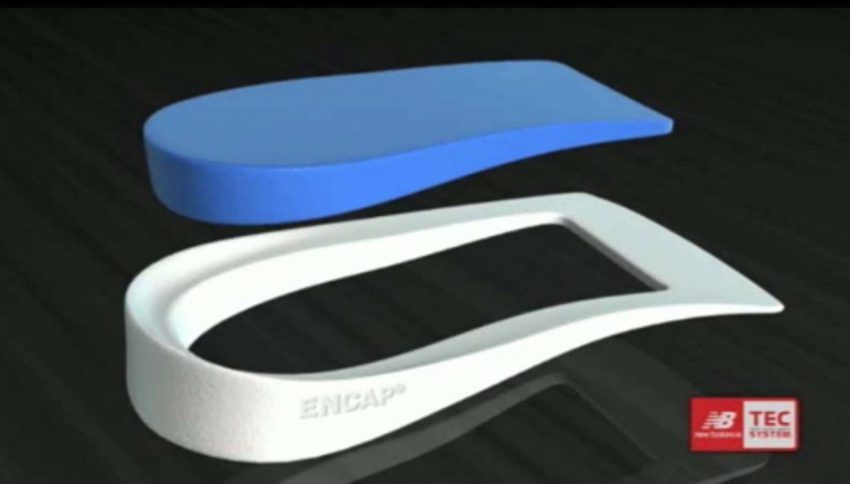
Encapsulated (ENCAP) - New Balance developed a midsole cushioning structure. Soft EVA cushioning is wrapped in a more supportive PU material to create a combined shock absorbing effect.
Ethylene Vinyl Acetate (EVA) - EVA plastic particles are heated and foamed to create a lightweight, flexible midsole that is used by most sneaker makers for cushioning.
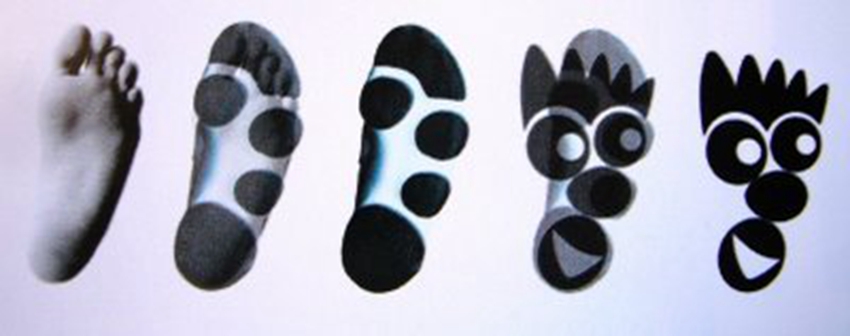
Feet You Wear - Skyfoot is an adidas sneaker design concept that first appeared in 1997. From the EQT 2000, the first pair of basketball shoes with "sky foot" technology, to the end of the KB8 III, "sky foot" technology has experienced a history of only 8 years and then declared the end, the reason is that "sky foot" is not developed by adidas itself, and requires the authorization of the ownership company, due to the failure to reach an agreement on the renewal of the contract. The reason is that "sky foot" is not a technology developed by adidas itself, which requires the authorization of the ownership company, due to the failure to reach an agreement on the renewal of the contract, so now that the classic small face has become the most nostalgic symbol of the shoe fans.
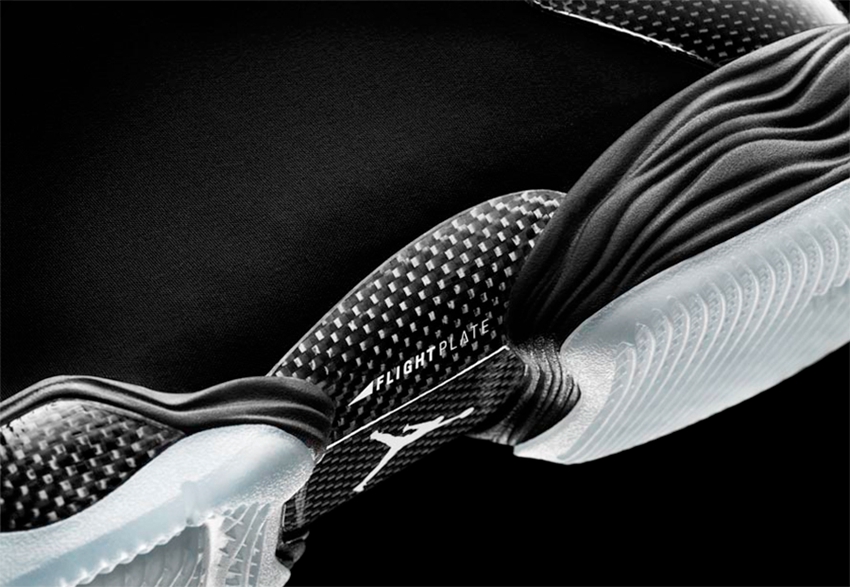
Flight Plate - A tough Pebax cushioning plate is placed on top of the Zoom air cushion to concentrate pressure on the Pebax and then on the Zoom area during strenuous exercise to achieve greater air cushion rebound performance and sensitivity. Due to the Unlocked Zoom cushioning, it is possible that the cushioning may bulge during wear, as the technology uses the Unlocked Zoom cushioning in order to maximize cushioning deformation.
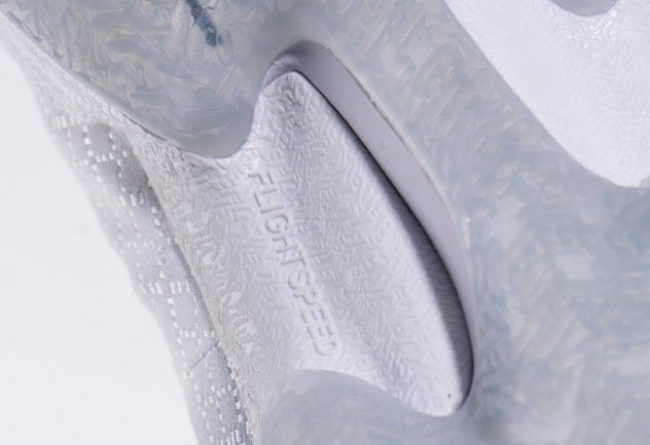
Flight Speed - The Flight Plate is an updated version of the Flight Plate, also designed to maximize the performance of the Zoom Air for faster bursts and responsiveness.
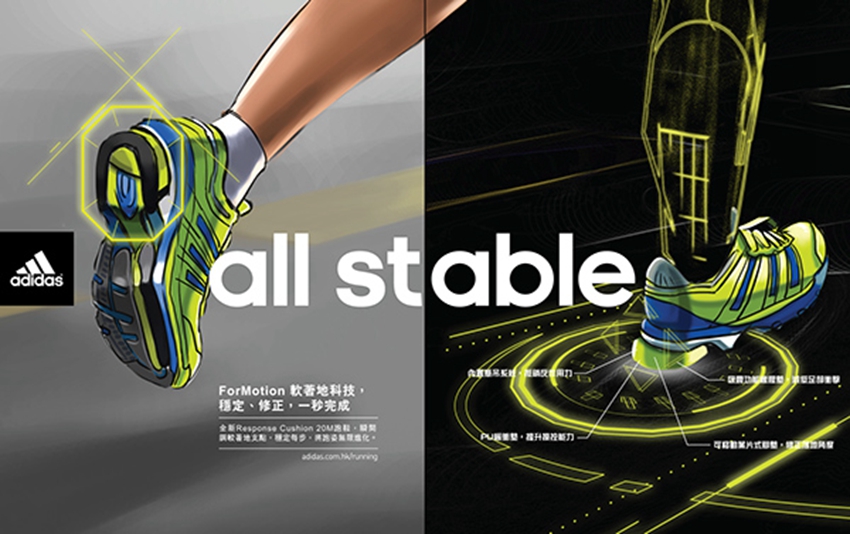
Formotion - Formotion, an adidas design concept, automatically adjusts to the wearer's stride to achieve the most comfortable landing angle. At the same time, it reduces the impact of the ground on the feet and achieves a cushioning effect. It is an upgraded version of the adidas GCS (Ground Control System). Commonly used in running shoes, the T-Mac 6 is a demonstration of Formotion in basketball shoes.
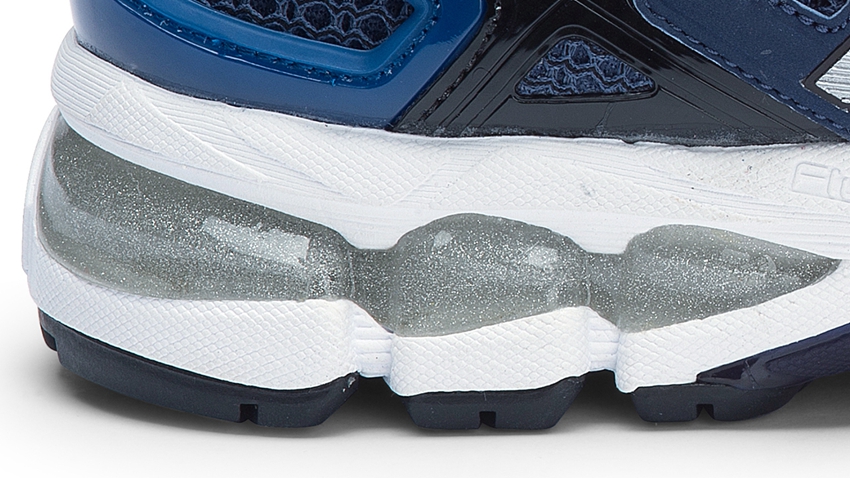
GEL - Cushioning Gel. GEL is a type of gel cushioning technology, including T-GEL, R-GEL, P-GEL, α-GEL, and other types, which is the most popular technology of ASICS. T-GEL, commonly known as "Jelly Gel", is used in top running shoes.
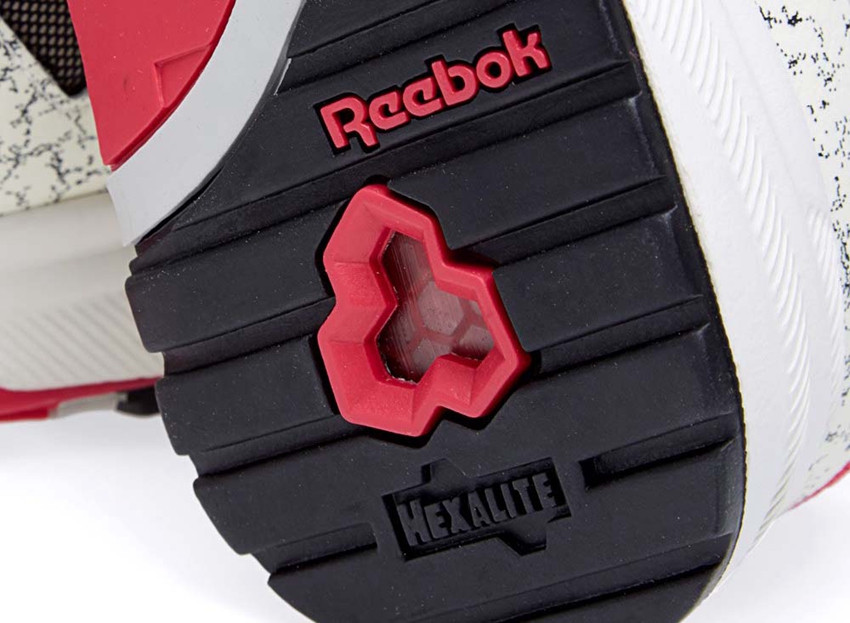
Hexalite - As Reebok's most traditional cushioning technology, Hexalite is made up of a myriad of hexagonal-like honeycomb combinations, and when impacted, the walls of the honeycomb rely on their own hexagonal structure to contract and rebound, acting as a cushion. It is also lightweight due to the same air cushioning method.
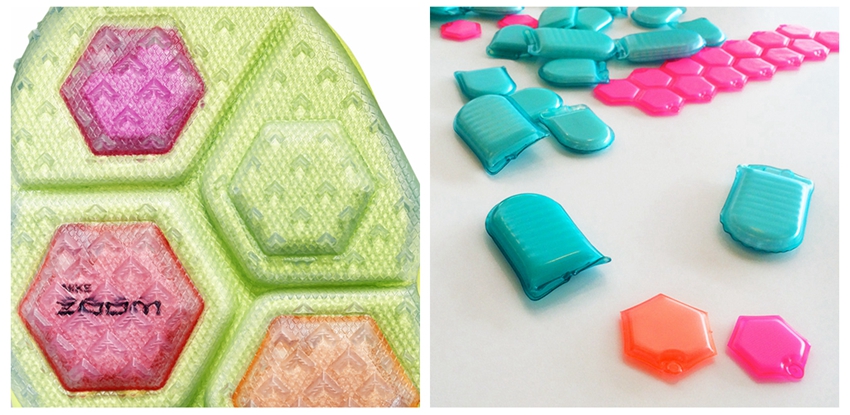
Hex Zoom - The Zoom Air unit is built with a hexagonal shape that features targeted zoned placement.
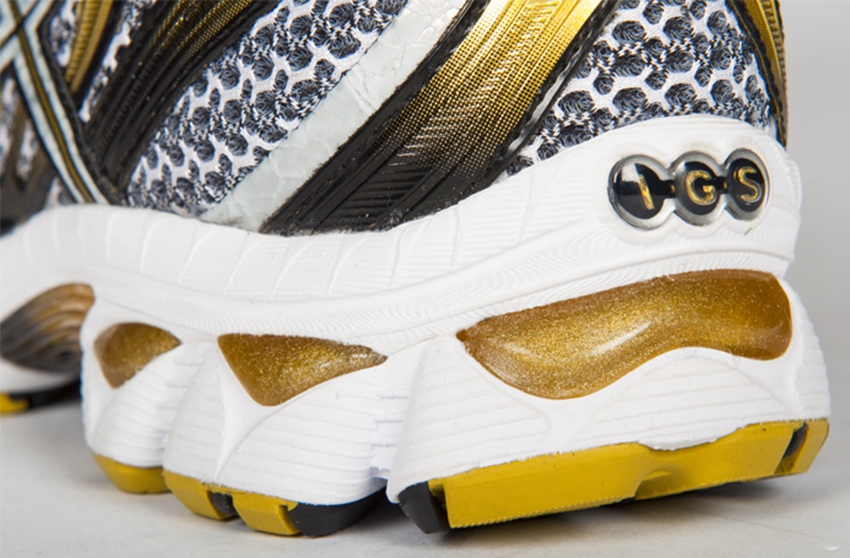
Impact Guidence System (I.G.S) - All-round cushioning and shock-absorbing system. Running shoes with the I.G.S logo represent the highest level of shock absorption, abrasion resistance, non-slip, anti-slip, anti-tilting, force guidance, and lightweight, which provide excellent cushioning and shock-absorbing effects in addition to stability.
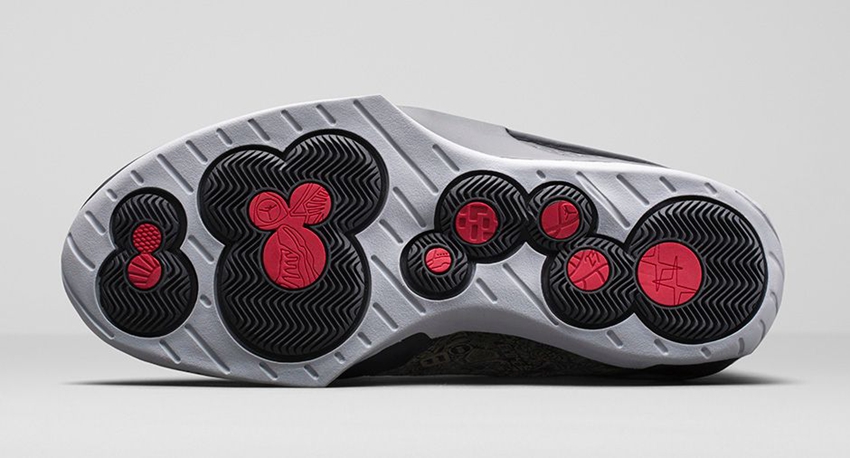
Independent Podular Suspension (I.P.S.) - This is achieved through an independent and coordinated column damping system consisting of Phylon columns of varying sizes, positions, densities and thicknesses. This evolved into an innovative structure with replaceable cushioning units. First seen in the Air Jordan 20.
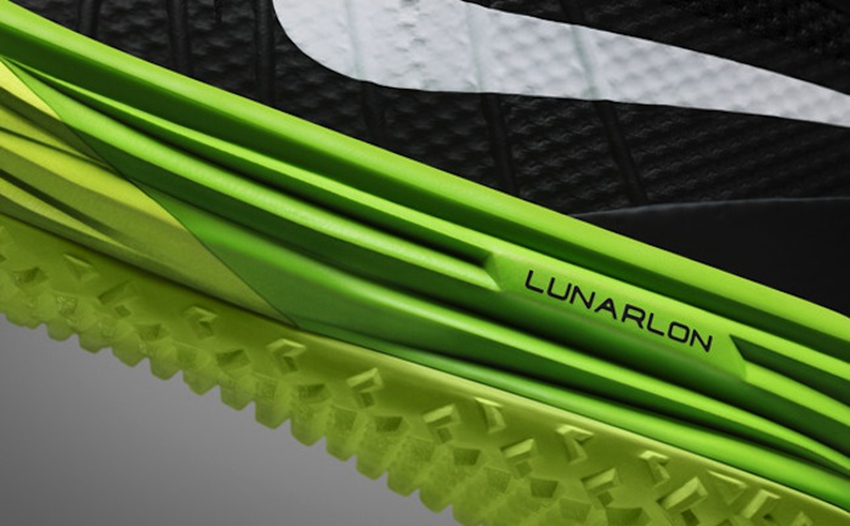
Lunarlon - In 2008, Nike debuted the Nike Hyperdunk basketball shoe with Lunarlon cushioning foam, a blend of lightweight ethylene vinyl acetate (EVA) and resilient nitrile butadiene rubber (NBR) that provides lighter, softer cushioning and has become one of the dominant midsole cushioning materials at Nike.
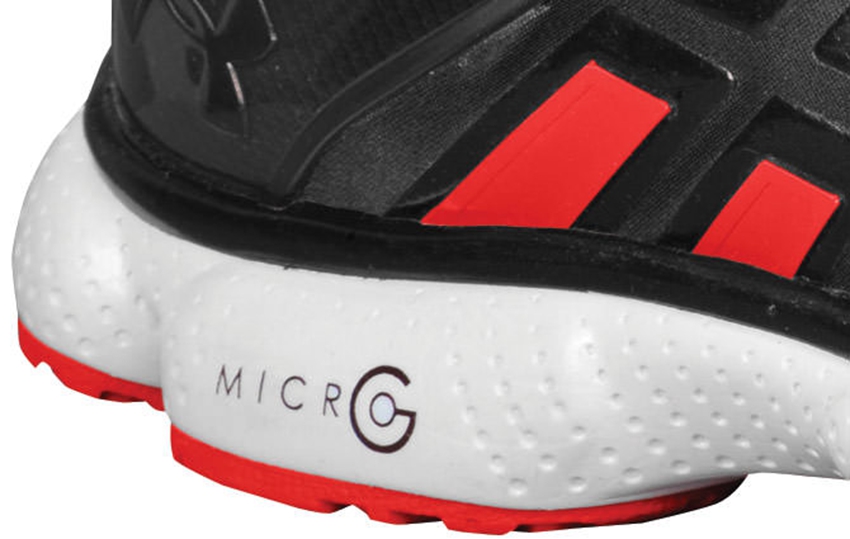
Micro-G - Micro G is Under Armour's own lightweight EVA midsole material, adhering to the principle of more ground-hugging, adopting "low compression" technology, the thickness is about 30% thinner than similar EVA, to ensure permanent deformation on the basis of lighter weight, while realizing the cushioning effect of high resilience.
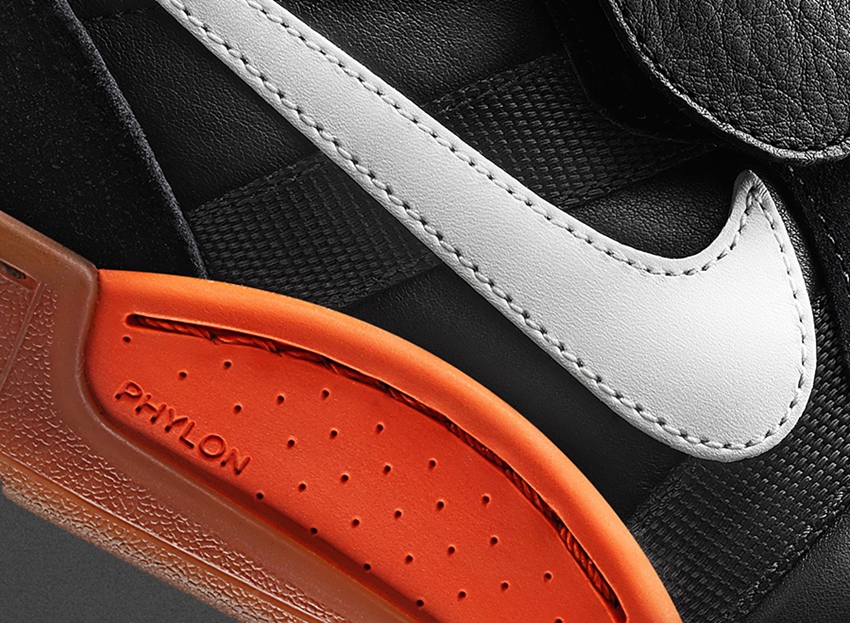
Phylon - Developed from heat-compressed EVA foam. Lighter in weight and more flexible, it's now one of Nike's most popular midsole materials.
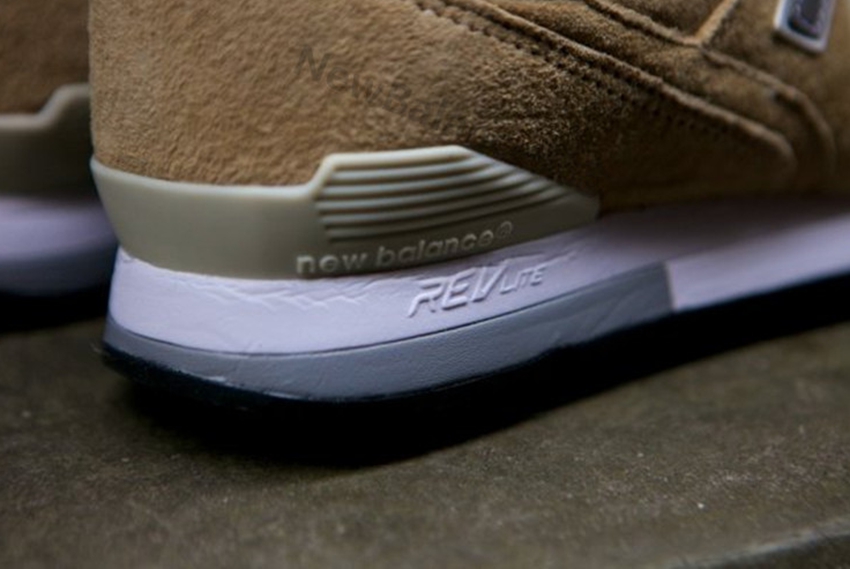
Rev-Lite - New Balance has developed a lightweight cushioning material. It is a lightweight material that ensures comfortable cushioning while maintaining its ultra-light weight. Usually used in the domestic 996 and the new 997.5.
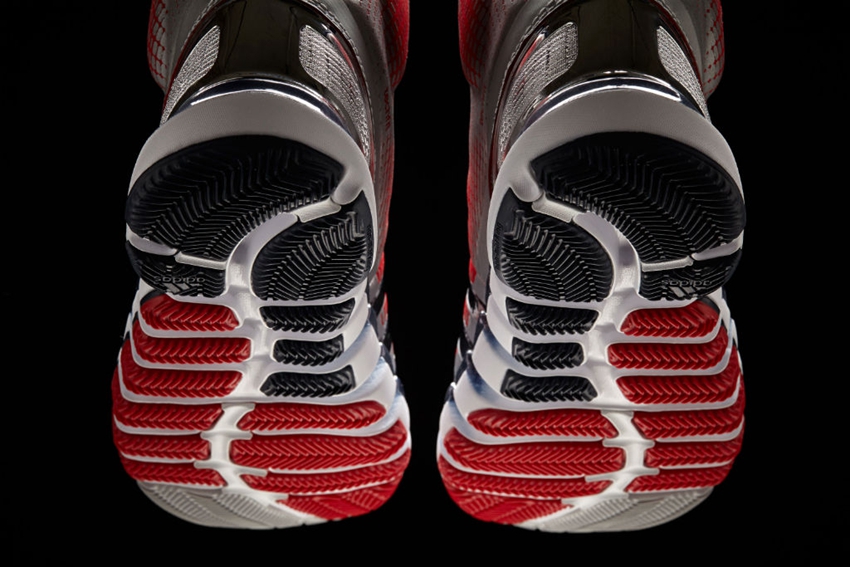
Quick Zone - adidas' outsole technology is similar to Nike's Free technology, representing the D Rose 773 II and D Howard 4. Similar to Nike's Free technology, represented by the D Rose 773 II and D Howard 4, the midsole and outsole of the sneaker are cut, so that the feet can still maximize their contact with the ground and complete a rapid response during intense exercise.
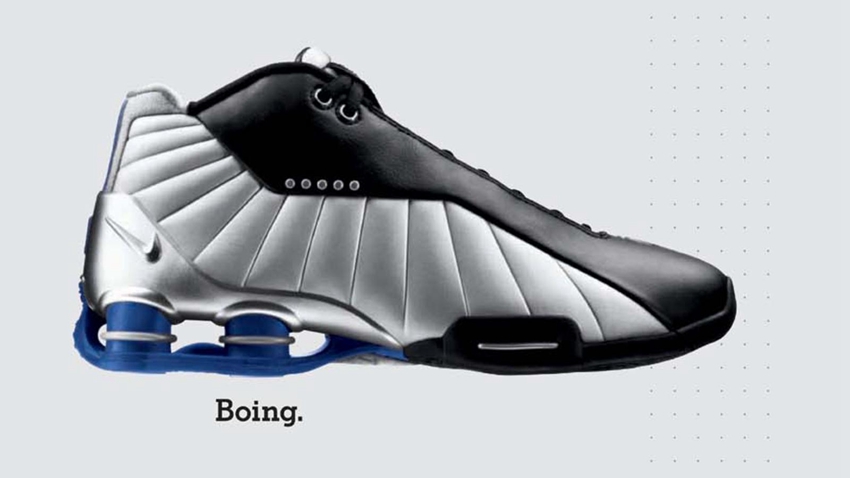
Shox - The first Nike Shox BB4 to feature Shox cushioning technology, inspired by the shock absorption systems of racing cars, sandwiches four strands of urethane foam vertically between the top and bottom TPU panels. The technology took 16 years to develop and test, but is rarely used today due to limitations on the user's weight.
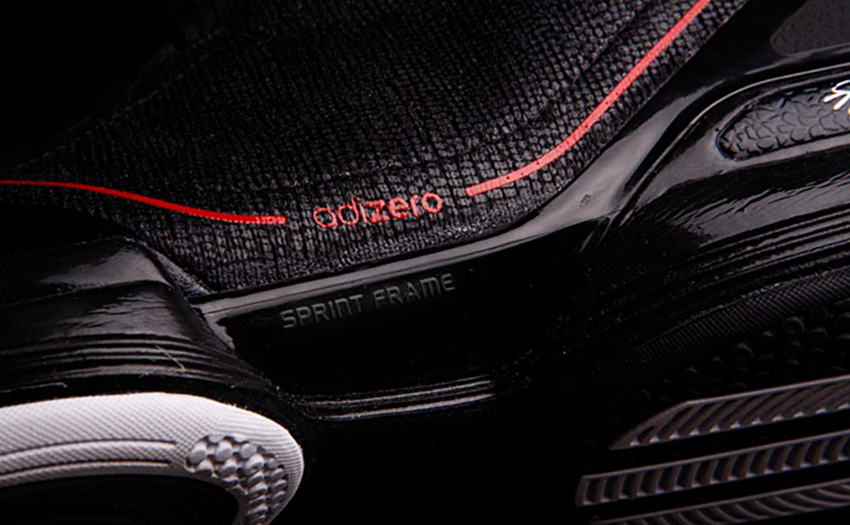
Sprint Frame - Sprint Frame is adidas a kind of carbon plate similar to the midsole bearing tray technology, mainly to prevent the shoes in the change of direction when the excessive distortion caused by injury, the common arch bearing tray to the heel and forefoot extension, play double the role of stabilization and protection of the feet, at the same time, the toughness of the midsole has also been improved accordingly.
Thermo Plastic Urethane (TPU) - Thermoplastic polyurethane rubber, a moldable plastic material capable of repeatedly softening under a certain level of heat, is tough and strong at room temperature after molding, and is often placed in areas of sneakers that need protection.
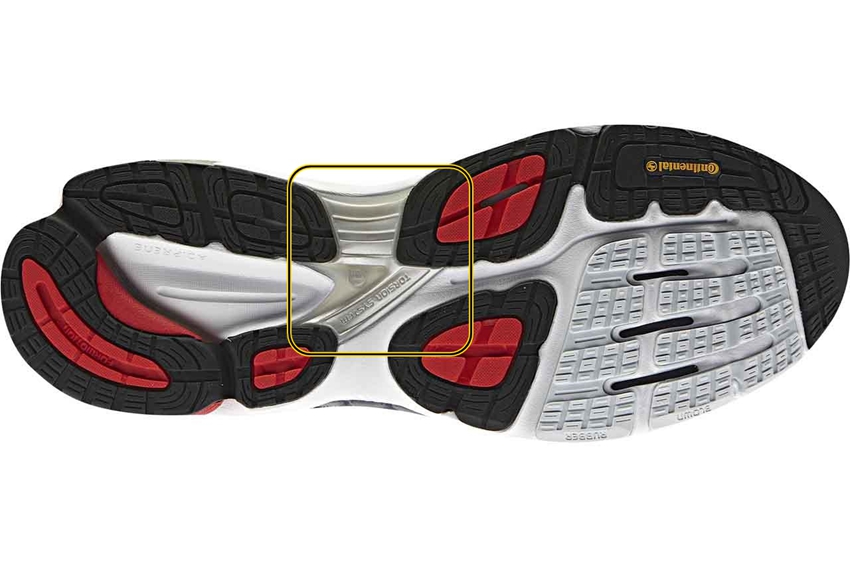
Torsion System - As one of the basic technologies of adidas, Torsion System is a thermoplastic TPU that is shaped into "Y", "V", "X" and "3D" shapes. The Torsion System is a thermoplastic TPU that is molded into "Y", "V", "X", and "3D" shapes, which are both rigid and tough, providing good traction on the arch and forefoot to prevent sprains during sports.
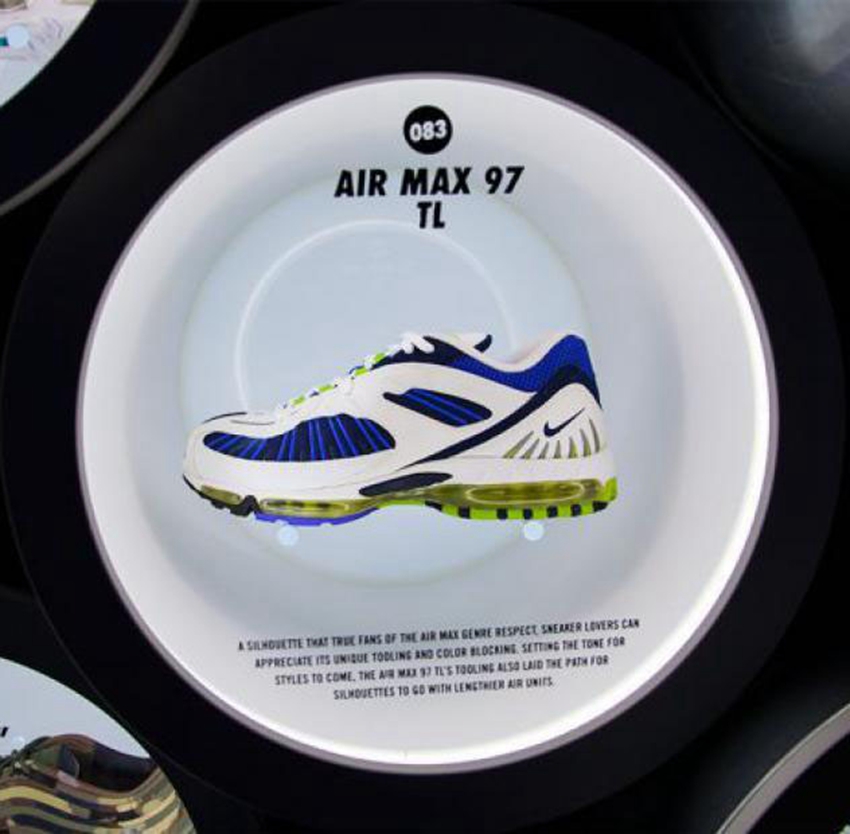
Total Air - A full palm enlargement of the Air Max. The air cushion runs from the rearfoot to the toe for even better cushioning.
Trinomic - As Puma's primary cushioning technology, Trinomic uses a hexagonal, honeycomb-like structure placed on the stressed areas of the sole, utilizing the mechanics of the hexagonal interlocking tissues to disperse the force in a balanced manner to all six sides when pressure is applied to achieve cushioning.
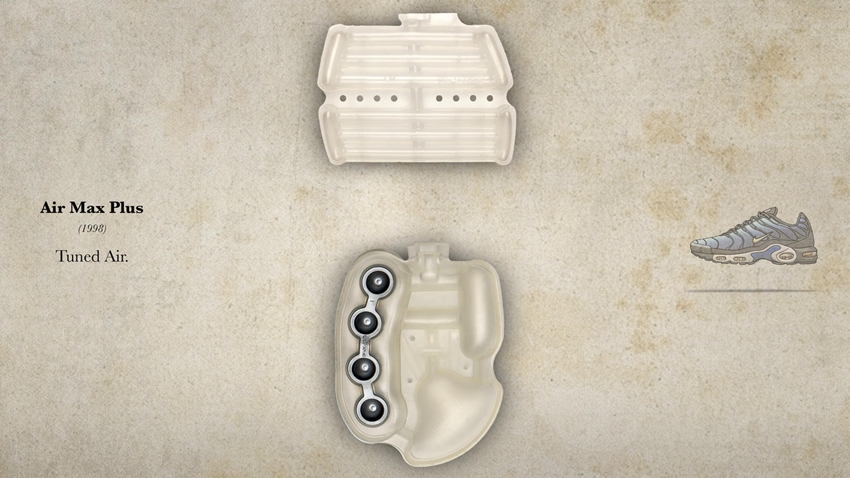
Tuned Air - A comprehensive cushioning air cushion containing a hemispherical cushioning system that provides maximum force protection, stability and comfort to the foot, with hemispherical deformation to provide variable air pressure. (now discontinued)
Visable Air - Visible Air Cushion. A window in the midsole of the shoe reveals the Nike Air that was once hidden inside the midsole. First seen in the Nike Air Max 1.
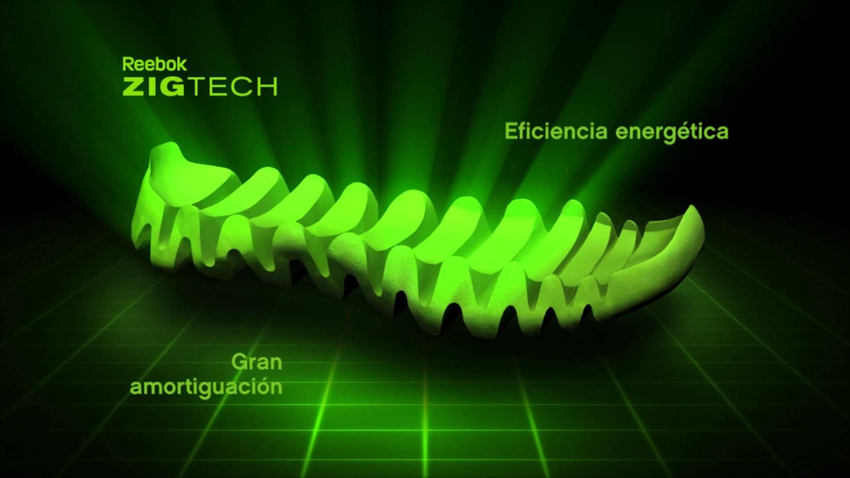
Zigtech - Dubbed the "pig sausage," Zigtech is Reebok's take on mechanical cushioning combined with material cushioning, with a sinuous midsole curve to achieve midsole deformation cushioning.
Zoom Air - In 1995, Nike developed a thinner and lighter air cushion technology by placing elastic nylon fibers in the upper and lower walls of the cushion. This allowed for quick rebound while dispersing impact. The first Zoom Air-powered basketball shoe was the Nike Air Go LWP (LWP stands for Light Weight Performance), and the first running shoe was the Nike Air Zoom LWP (at the time, Zoom Air was known as Tessile Air).
Upper Related Terms
ClimaCool - ClimaCool has evolved from adidas' original Breeze Upper to the Breeze System, incorporating the concept of all-round breathability into the design of the product. The ClimaCool system provides a drier wearing experience for both shoes and apparel.
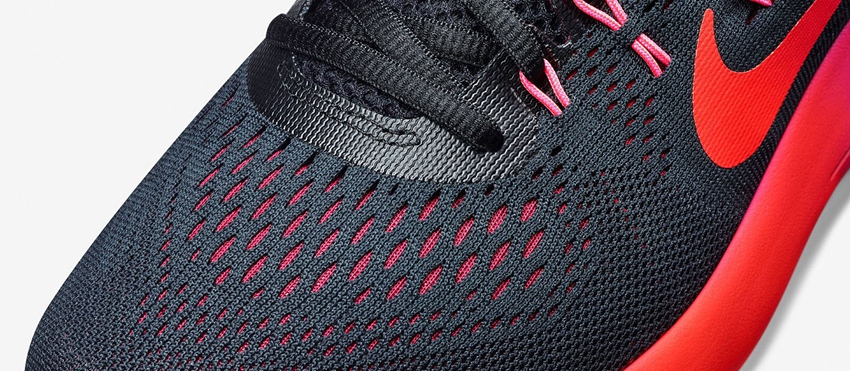
Engineered Mesh - Engineered Mesh: A new composite mesh material developed by Nike. It's lightweight and breathable while providing all the flexibility your foot needs to flex, creating a better fit.
FlyWire - Inspired by suspension bridges, engineered fibers are aligned to specific areas of the shoe that require fixed support to achieve a wrapping effect that supports the lightweight upper. Nike's top shoes basically use this technology with lightweight uppers, striving to achieve the perfect balance of lightweight and wrapping.
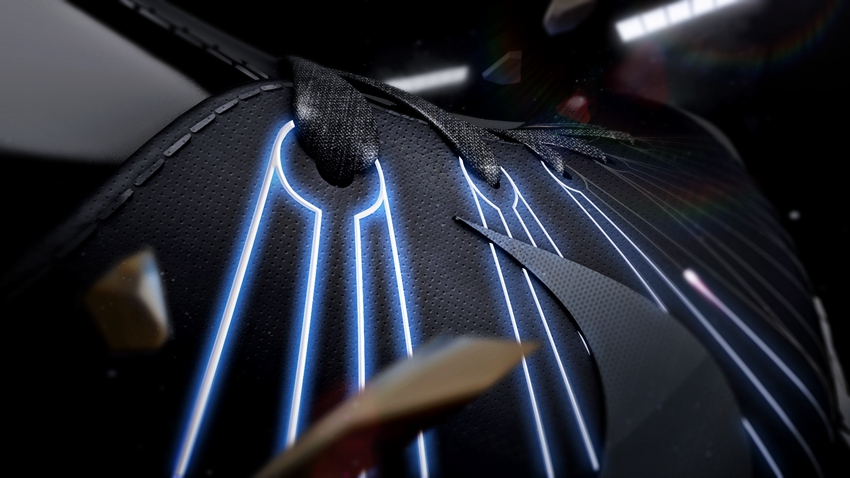
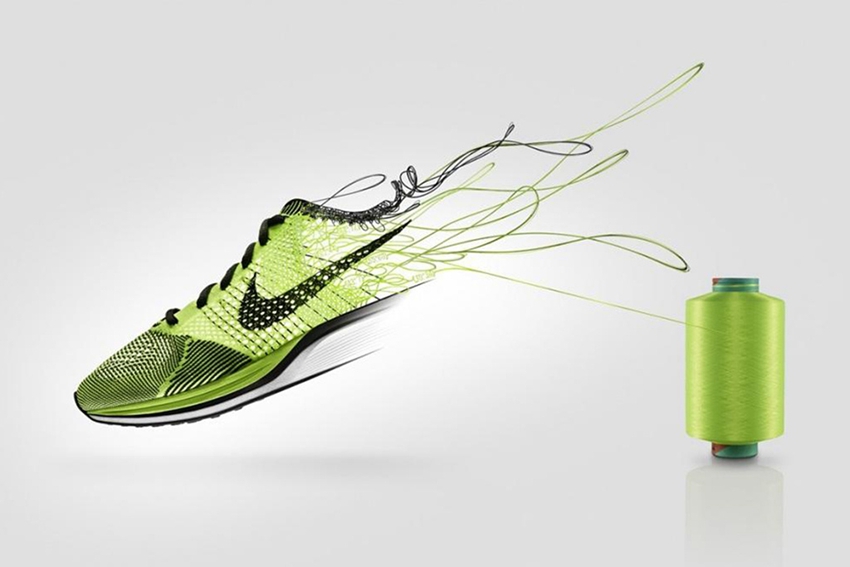
Flyknit - Shortly after the launch of Flywire, Nike developed a textile upper made entirely of woven fibers. This completely overturned the traditional shoe-making technology, Flyknit not only has the characteristics of lightweight and breathable, but also can increase or decrease the density of the weaving according to the different forces on the feet in the shoe body. At the same time, compared with the traditional leather upper production, it has the characteristics of reducing waste and environmental protection.
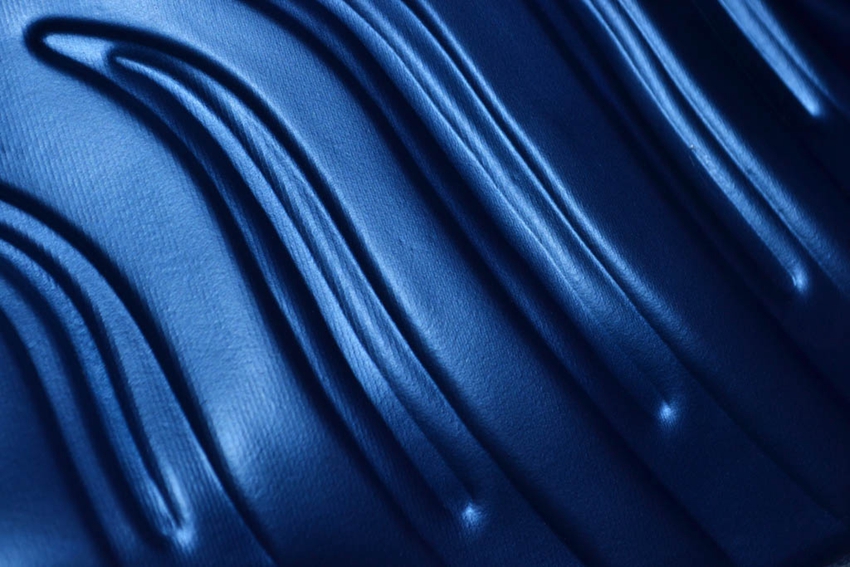
Foamposite - Foam Upper: Nike developed a foam upper technology, made of a polyurethane-based material, with super plasticity and protection, Nike's spray and foam are the most representative shoes.
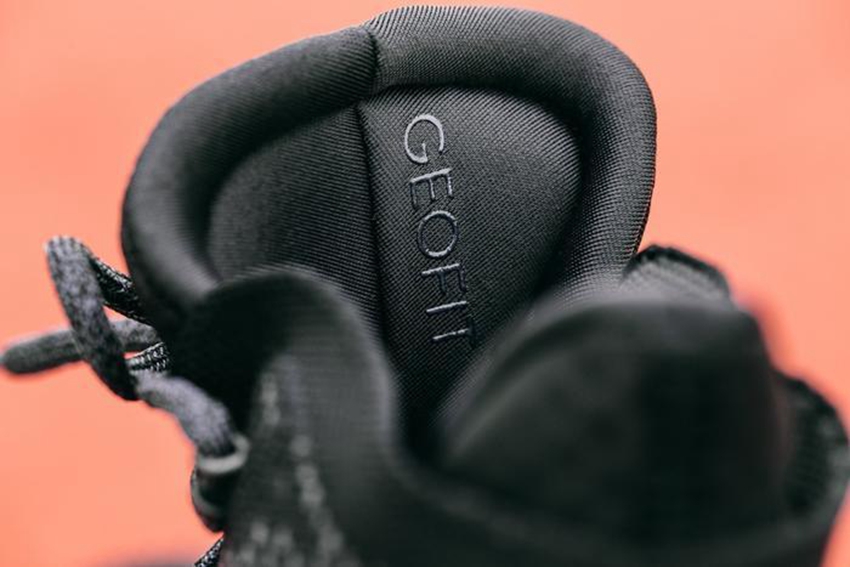
GEOFIT - A new shoe technology developed by adidas. It utilizes a memory foam-like material molded to fit the shape of the foot, effectively wrapping the foot and providing excellent comfort.
Hyperfuse - Nike has developed a composite upper. Traditional upper materials such as leather, mesh and TPU are laminated together using a hot-melt technology to create a lightweight, strong, breathable and protective upper.
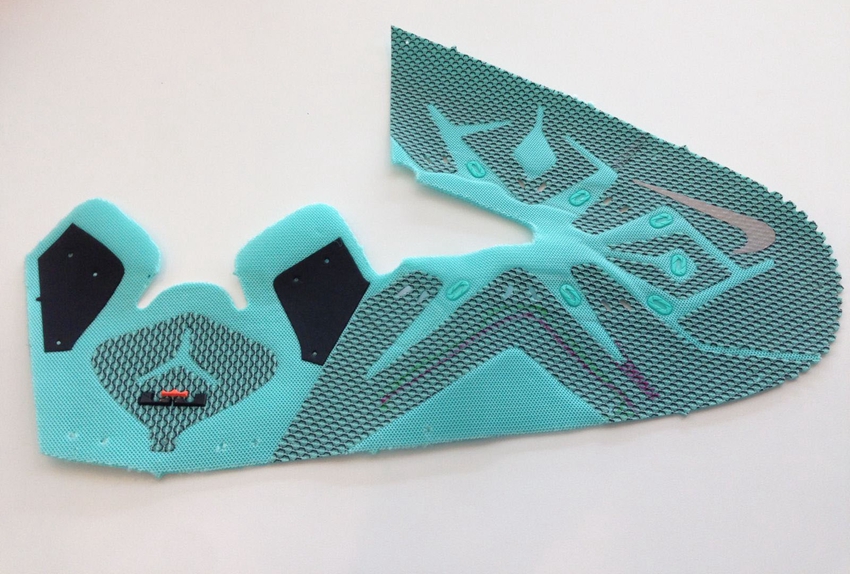
Heel Counter - Heel Stabilizer. A rigid material that surrounds the heel of the shoe with the purpose of improving stability and support.
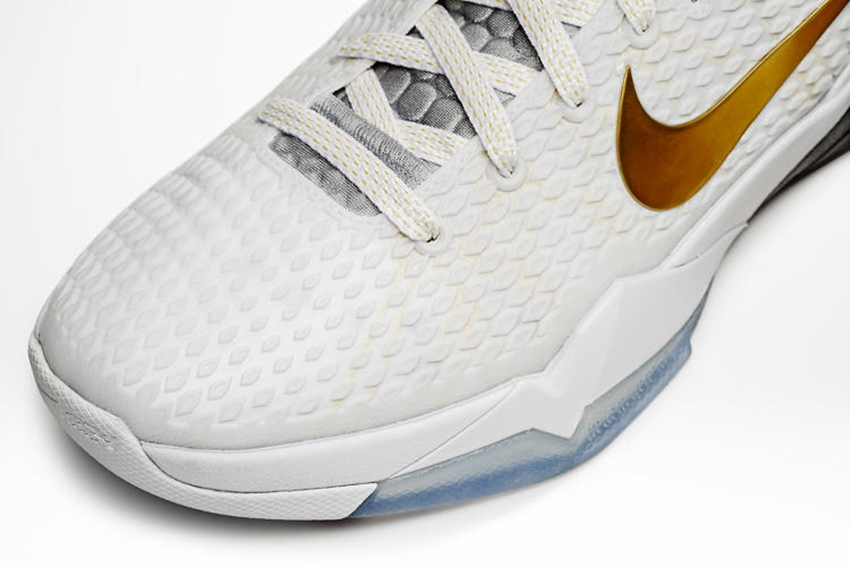
Kevlar - Kevlar. Lightweight and extremely strong, Kevlar was once commonly used in the production of bulletproof vests, and has since been transplanted to the field of sports shoes, continuing the usual tough performance, providing strong locking and protection for the feet.
Lycra - Lycra was successfully researched by Bayer in Germany in 1937 and started to be produced by DuPont in the United States in 1959, and is the registered trademark of DuPont Spandex fiber. Lycra has excellent elasticity and extensibility, and has become a high-grade fabric commonly used in special sneakers.

Memory Foam - Memory foam. Memory foam technology was initially developed for NASA spaceships to absorb vibrations, and was then widely used in the production of sports shoes. It has good comfort and breathability.
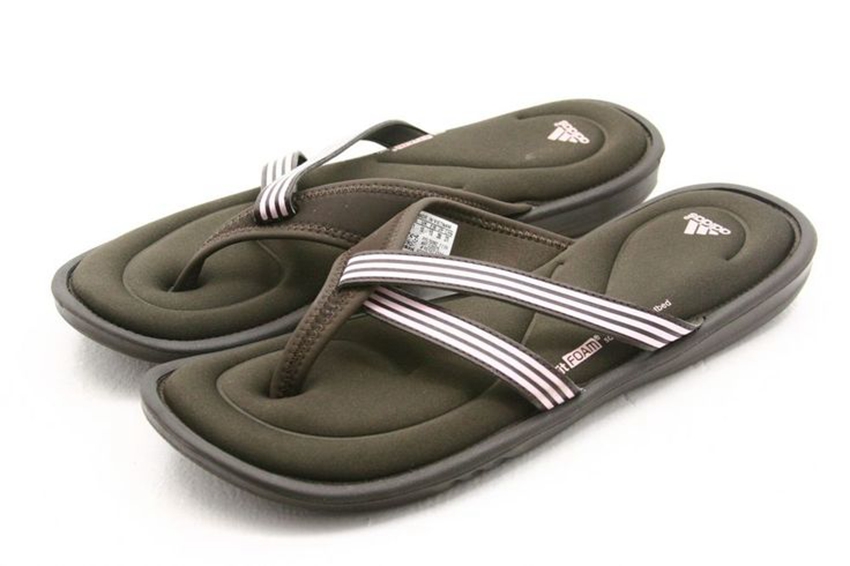
Monkey paw - Monkey Grip. one of Nike's shoe body technologies, its composition is based on a thermoplastic urethane rubber material, which is usually included between the inner boot and the outer material of the sneaker, preventing the physical protection taken by ankle injuries due to excessive twisting.
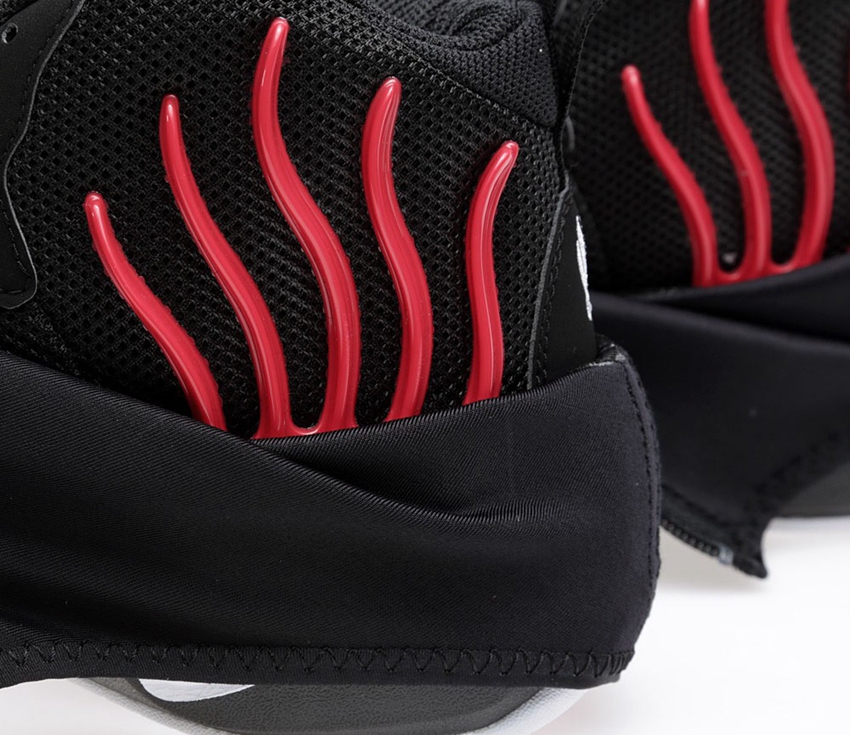
Neoprene - Neoprene rubber. With excellent ductility and comfort, lightweight acid and alkali resistance, it is widely used in the thickening part of the upper. The disadvantage is that the cold resistance is a little poor.
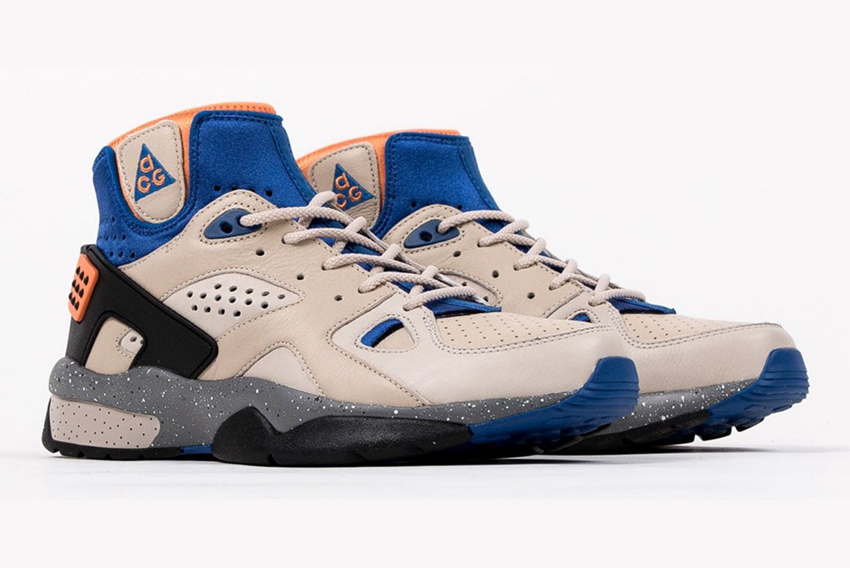
Nubuck - Niu Bago, also known as polished cowhide, is a layer of surface leather layer after polishing, to achieve suede touch, thick and soft leather body, surface color, velvet, leather grain natural and become, mainly used for casual shoes on top.
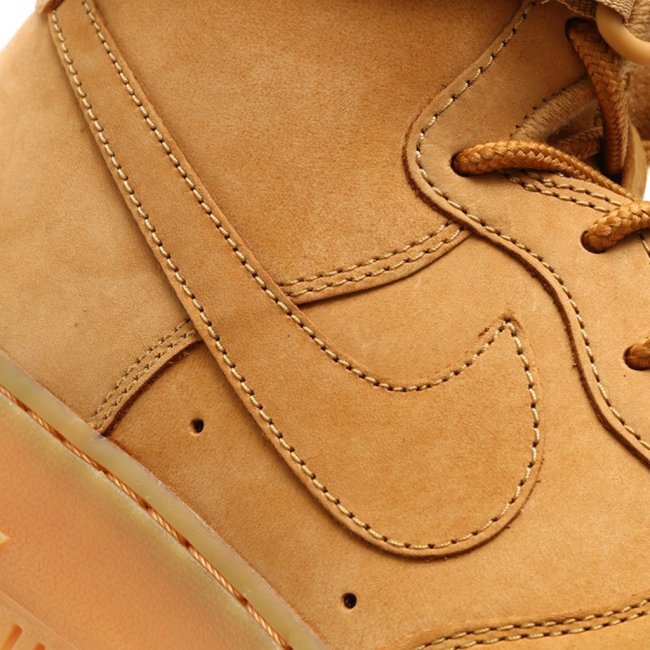
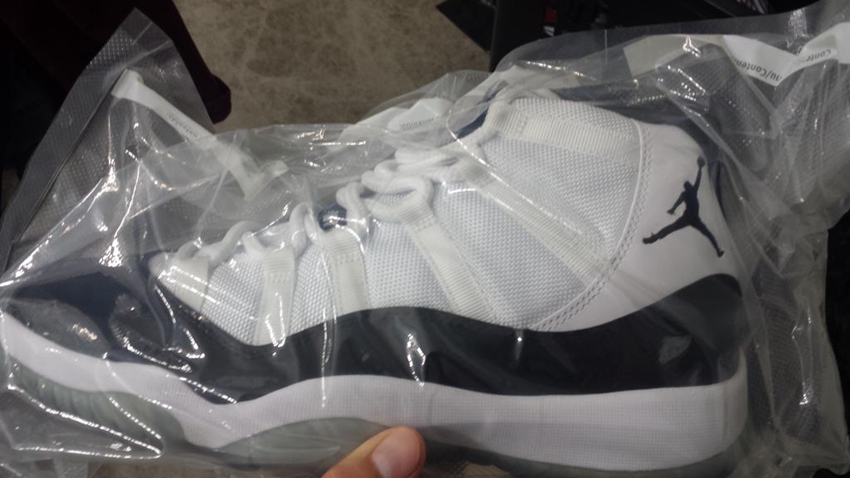
Patent Leather - Patent leather. Also known as glossy leather, with better leather strength and waterproof performance, the visual effect is also more outstanding, Air Jordan 11 is undoubtedly the most memorable patent leather sneakers.
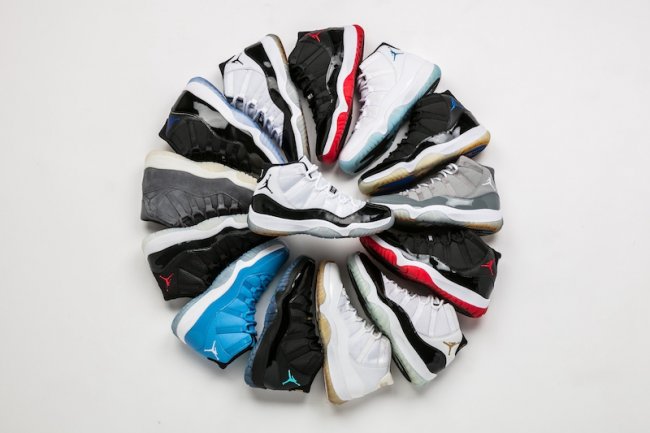
Perforations - Breathable holes. A general term for perforations in leather sneaker uppers that allow for breathability.
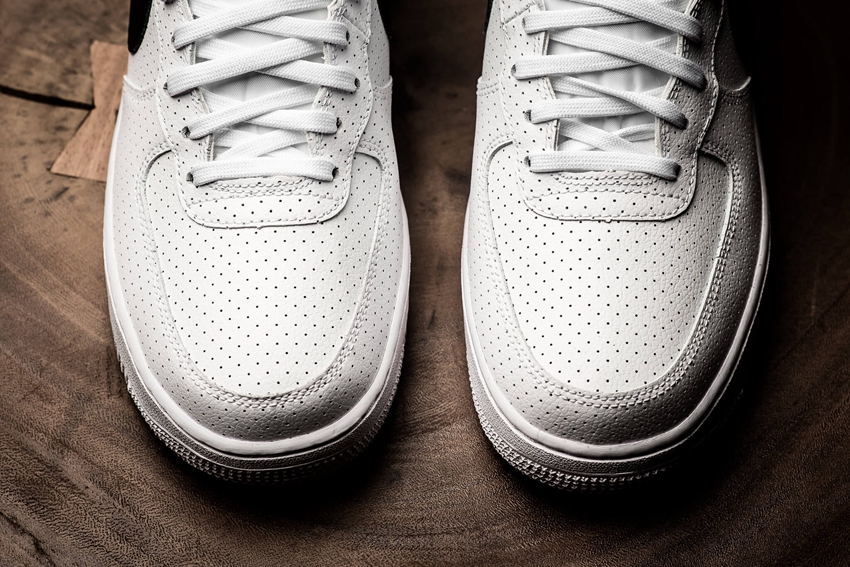
Ploy Urethane (PU) - The chemical name is polyurethane, PU leather is the second layer of cowhide, coated with a layer of PU resin on the surface, so it is also known as film cowhide. With the changes in technology are also made into a variety of grades of varieties, such as imported two-layer cowhide, due to the unique process, stable quality, variety of novelty and other characteristics, grade is not less than the first layer of leather. At the same time, PU leather appearance is easy to process, good care, lower prices, become a common upper material for sports shoes.
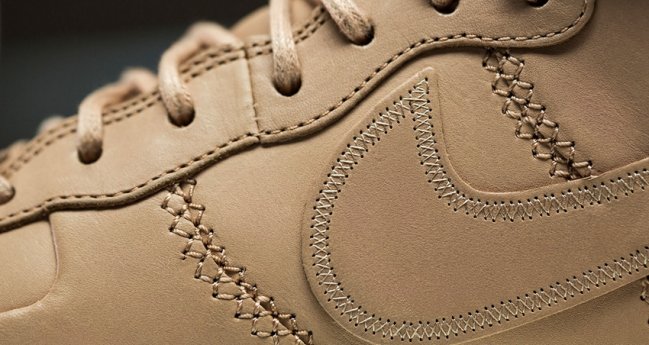
Primeknit - adidas utilizes a one-piece, digitally computer-controlled weave, similar to Nike's Flyknit, that precisely adjusts the density and direction of the weave to the needs of each part of the shoe, resulting in a lighter, more breathable, better-fitting shoe, while effectively reducing waste. The Ultra Boost and Yeezy Boost 350 are representative of this technology.
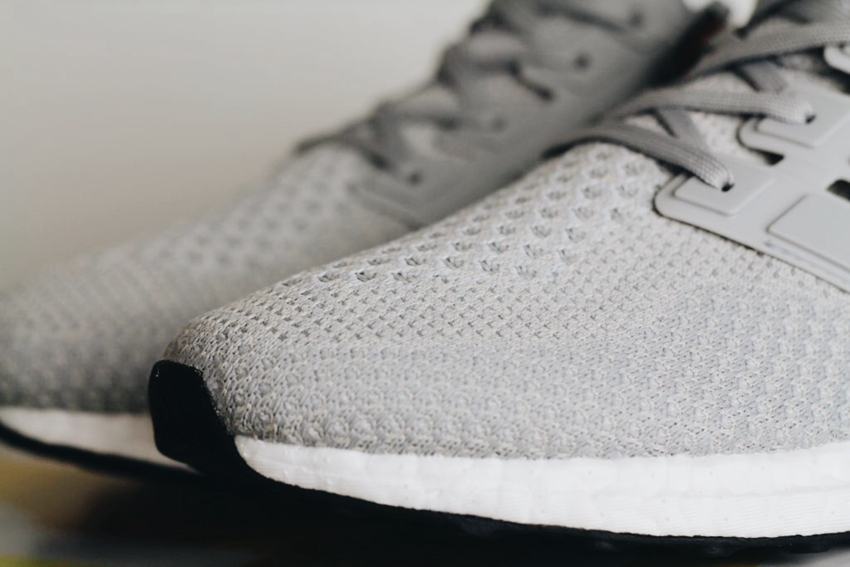
PVC - Artificial leather. Plastic products that look and feel like natural leather. Usually fabric as the bottom layer, the upper layer coated by synthetic resins added to a variety of plastic additives made from a mixture of ingredients and into.
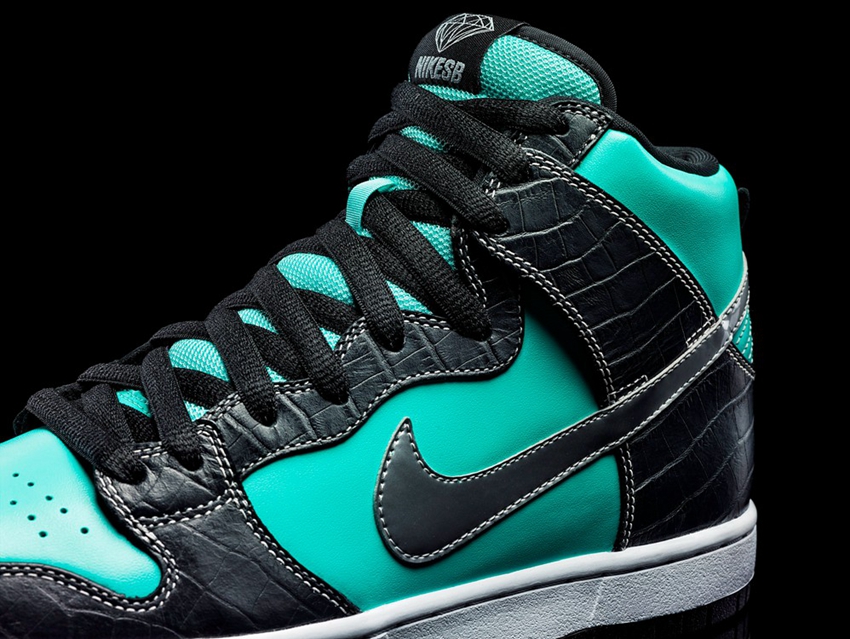
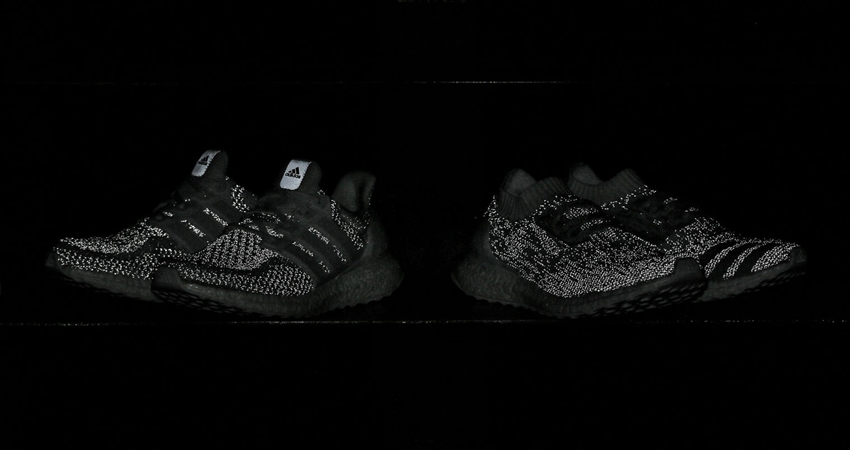
Reflective Treatment - Reflective Upper. Commonly used in the heel position of running shoes with the property of glowing in the dark to increase the safety of running outside at night.
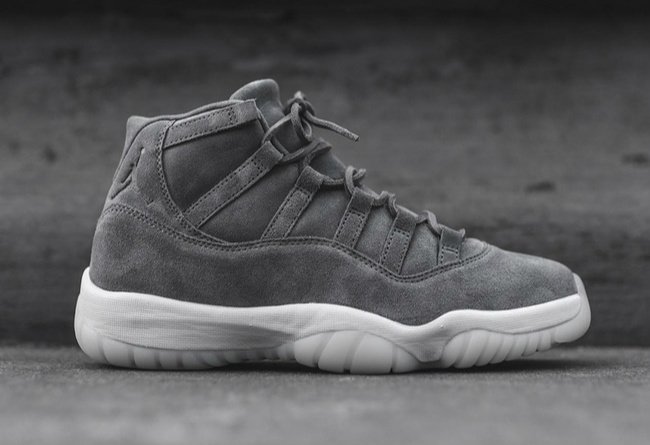
Suede - Suede, nubuck.
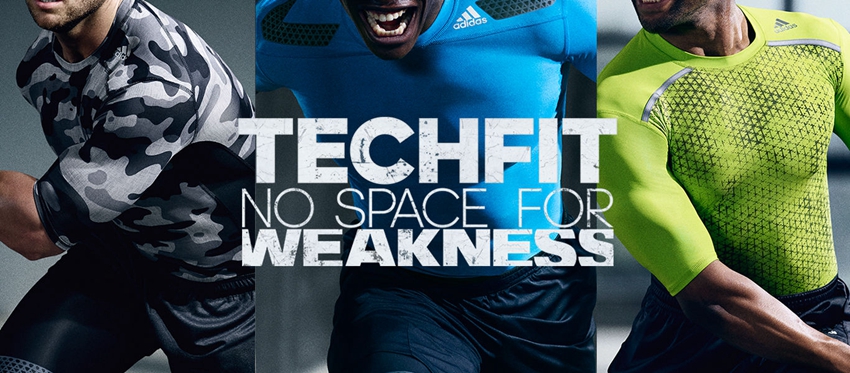
TECH FIT - As the core technology of adidas compression garments, TECH FIT applies pressure of varying intensity to specific areas to improve blood circulation and athletic performance. It was later developed in the production of sports shoes to improve comfort and fit.
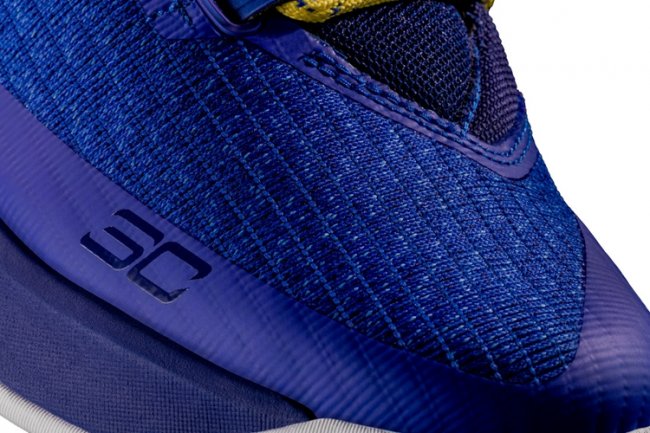
Threadborne - The highlight of the Under Armour Curry 3 is UA's newly developed Threadborne multi-dimensional upper. The upper evolved from the fibers of a parachute cord, making it strong and tough.
Velcro - Velcro is derived from two French words: "velour" and "crochet", i.e. hook and terry. Velcro has evolved in the sneaker world as a way to stabilize the shoe and the foot.
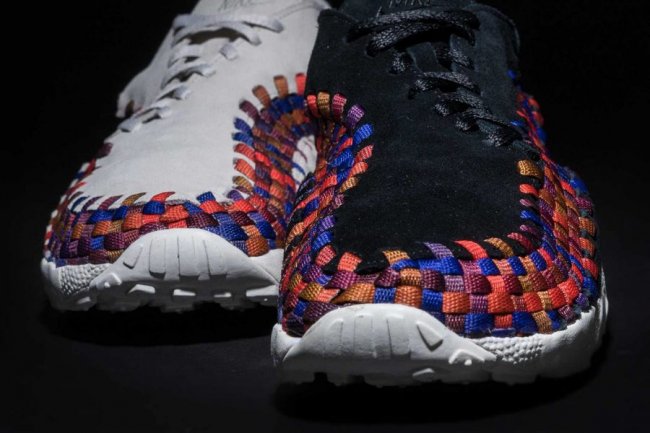
Woven - It is a traditional weaving method, where the lines run through each other at 90 degrees and are evenly spaced to achieve a firm and stable effect. The representative shoes are Air Jordan 15 and Nike Footscape Woven.
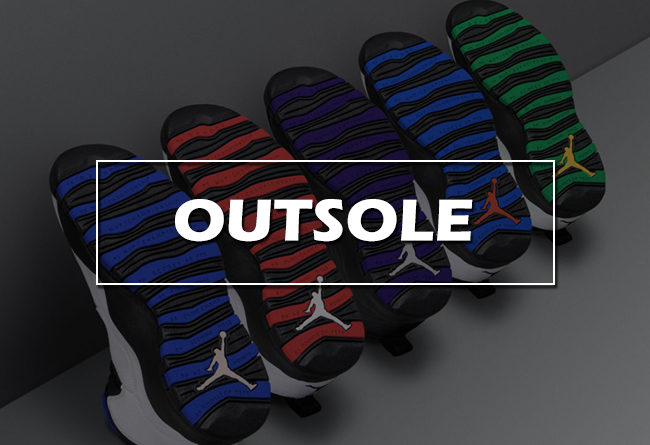
Outsole technology terms
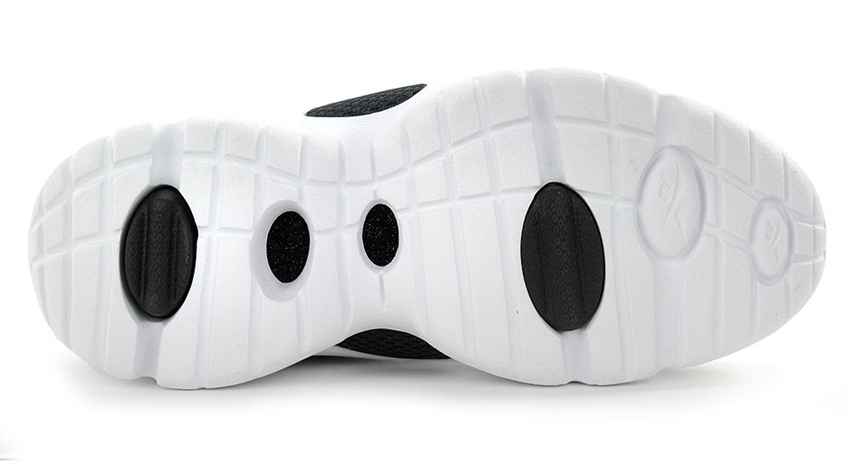
3D Ultralite - 3D Floating Speed Outsole. In order to reduce the weight brought by the rubber outsole to the sneakers, Reebok developed the 3D floating speed outsole, which extends the EVA midsole material to the outsole, in order to reduce the area of the rubber outsole, and achieve the effect of lightweight. However, abrasion resistance has become its Achilles heel, representing the early signature shoes of Iverson and Kemp. Currently, the 3D Puffy Outsole is only found in indoor training shoes.
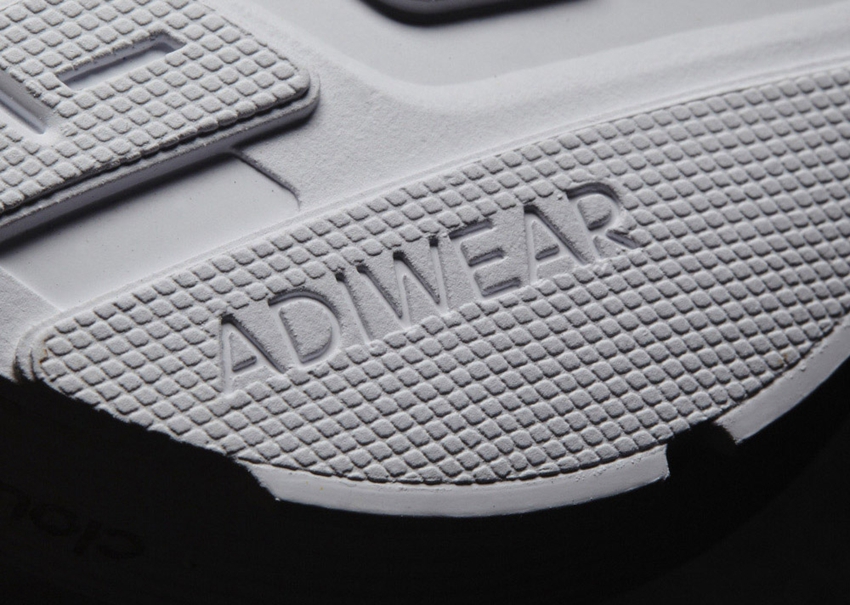
adiWear - adidas has developed an outsole material that combines carbon molecules with abrasion-resistant rubber in order to improve the abrasion resistance of running shoes on outdoor surfaces. Due to the combination of carbon material, it will leave a mark on the ground after strong friction, so this technology only stays in the application of outdoor shoes.
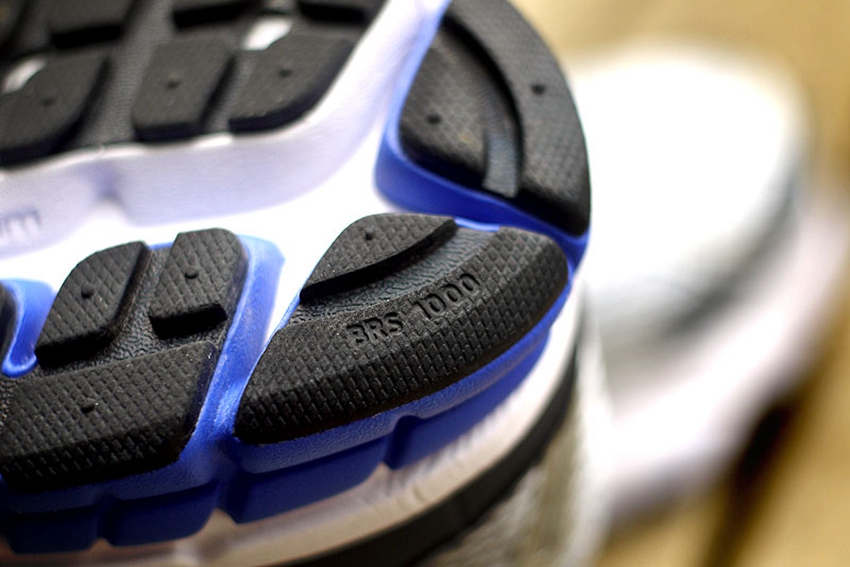
BRS1000 - BRS1000 Carbon Fiber Rubber Carbon fiber material or carbon monomer powder is added in the process of making rubber. This type of rubber is abrasion-resistant and grips well, but leaves a black mark on the ground when rubbed violently, and is mostly used in running shoes.
Continental - Horse rubber outsole. adidas partnered with Continental, the Hanover, Germany-based tire manufacturer, on the Horse rubber outsole to improve the shoe's grip and durability.

Flex grooves - Flex grooves. Located in the forefoot to improve forefoot flex, most athletic shoe outsoles have a flex groove design.
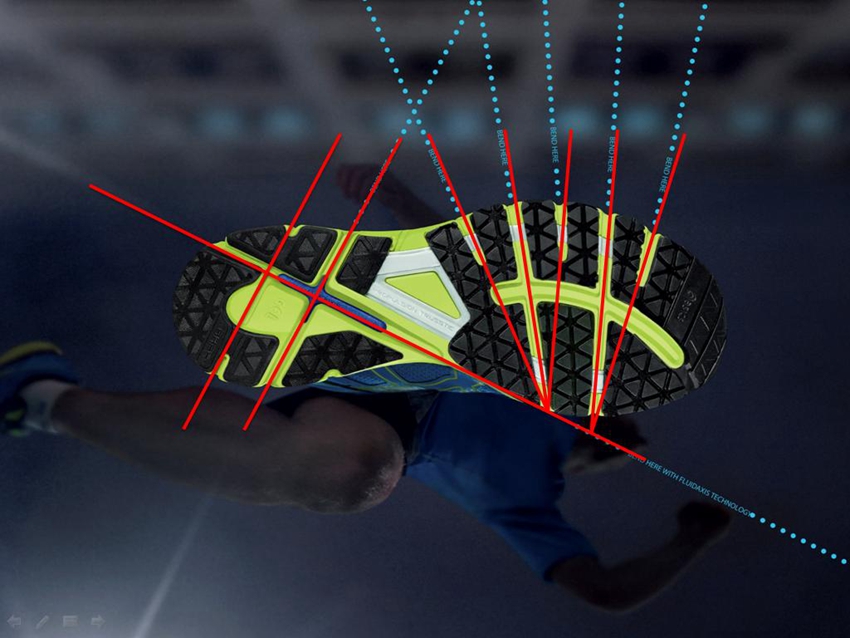
Free - Nike Free is based on the concept of "Barefoot", with flex grooves on the outsole to adapt to changes in the shape of the foot when playing sports, in order to restore the original feeling of the foot. According to the barefoot coefficient (the smaller the coefficient, the closer it is to being barefoot), there are 3.0, 4.0, 5.0, 7.0 and so on.
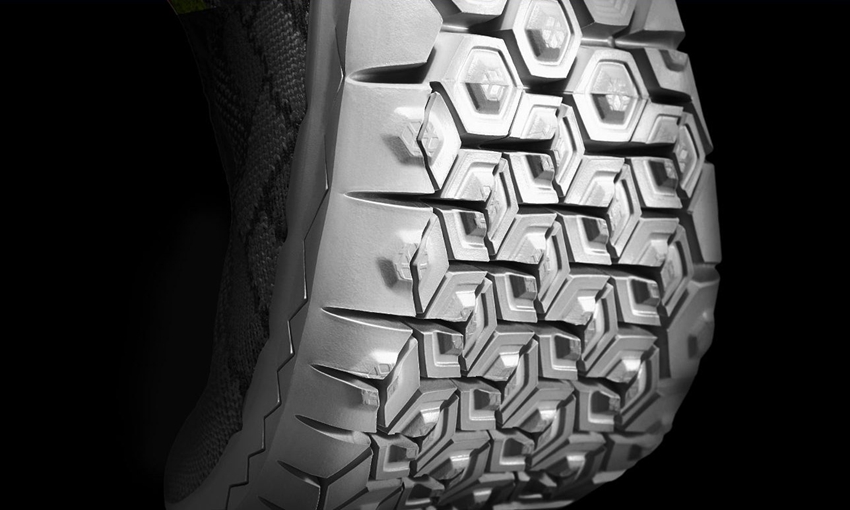
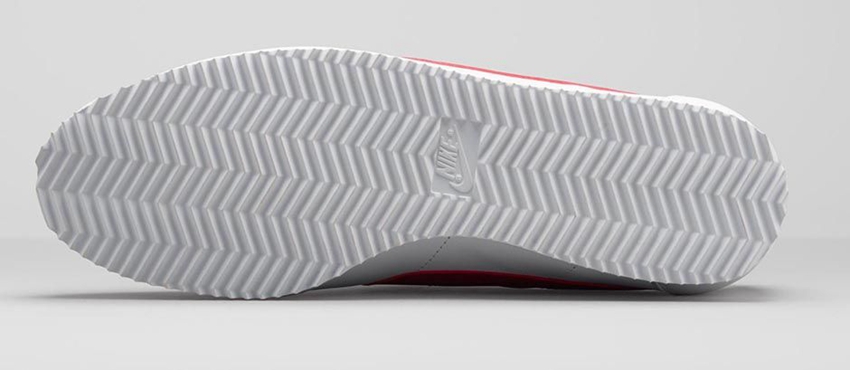
Herringbone - Herringbone Pattern. One of the most widely recognized sneaker outsole patterns that provides great multi-directional grip.
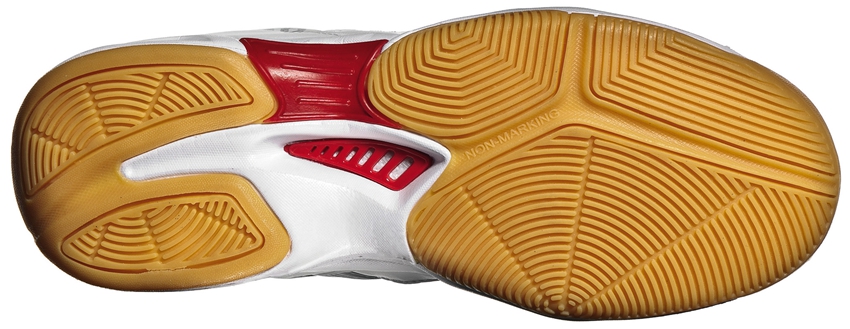
Non-Marking - Non-marking rubber. Contrary to BRS1000, does not undergo a carbon doping process and does not leave marks on the floor. Mostly used for indoor basketball shoes. Generally, more formal indoor courts only allow shoes with Non-Marking outsoles to be worn on the court. This technology does not leave marks on the floor and is independent of the wear resistance of the shoe.
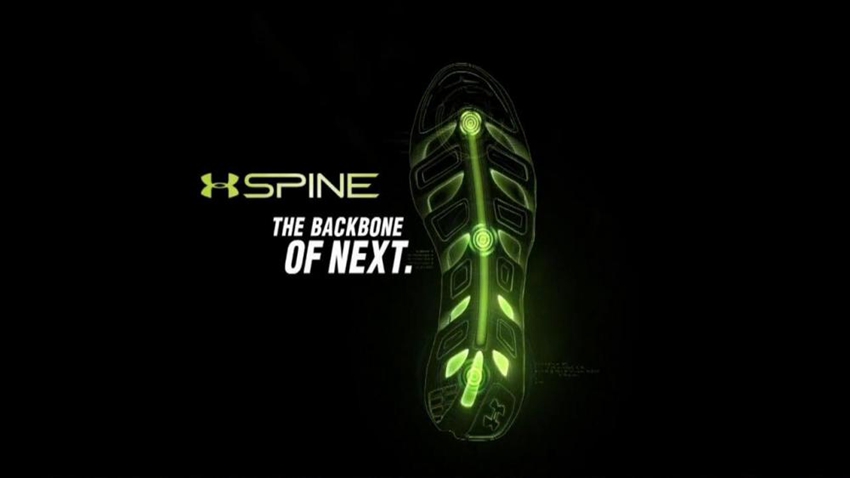
Spine - Under Armour has developed a bionic outsole that resembles the human spine to improve the stability and support of the shoe during strenuous exercise.
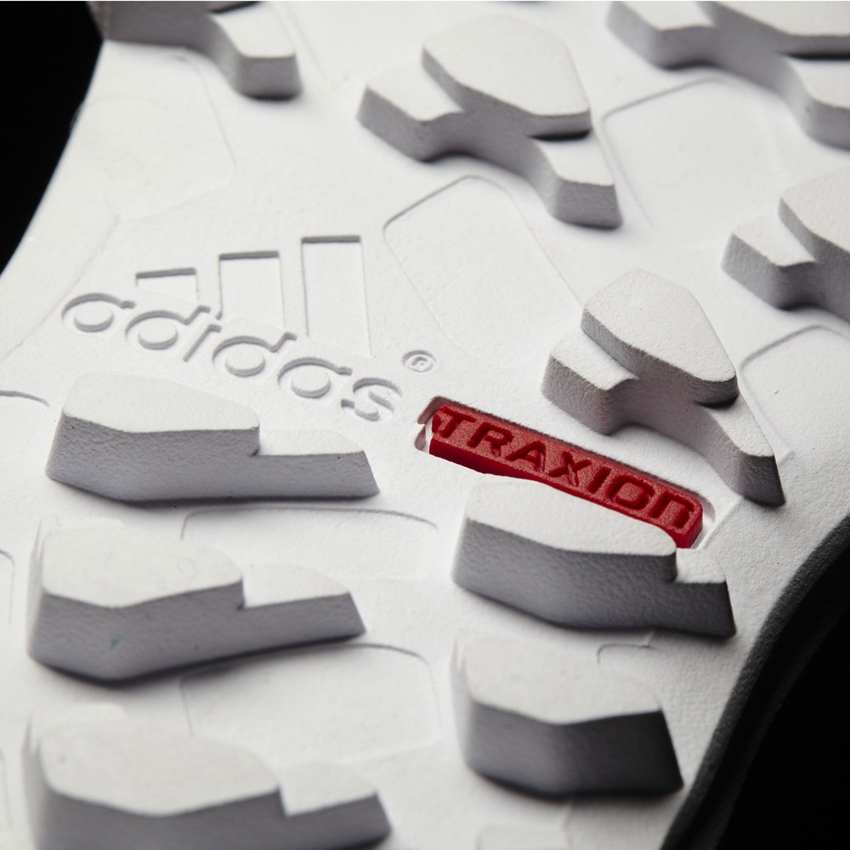
Traxion - adidas has designed an outsole technology based on the principle of ergonomics, which is crisscrossed with different sizes. It not only improves the contact area between the shoe and the ground, but also increases friction, comfort and safety. It is often used in the production of outdoor shoes and soccer shoes.
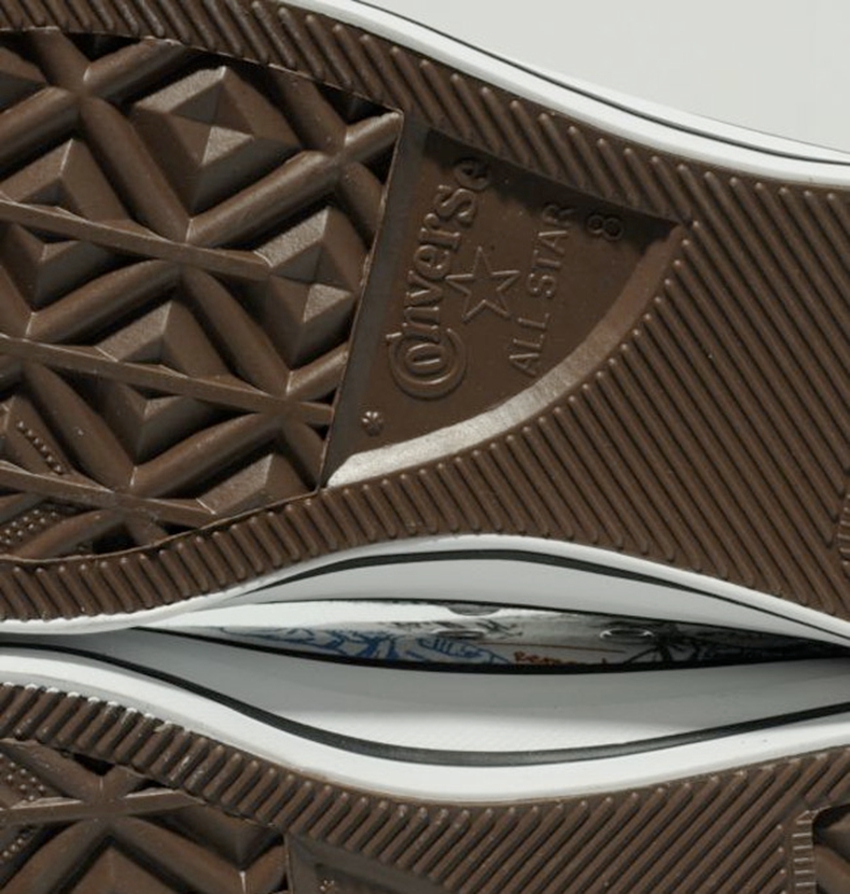
Vulcanization - Vulcanized rubber. The process of transforming plastic rubber into elastic rubber is called vulcanization, which is not easy to aging and cracking, good elasticity, heat-resistant, etc. Converse All Star is the representative model of classic vulcanized shoes.
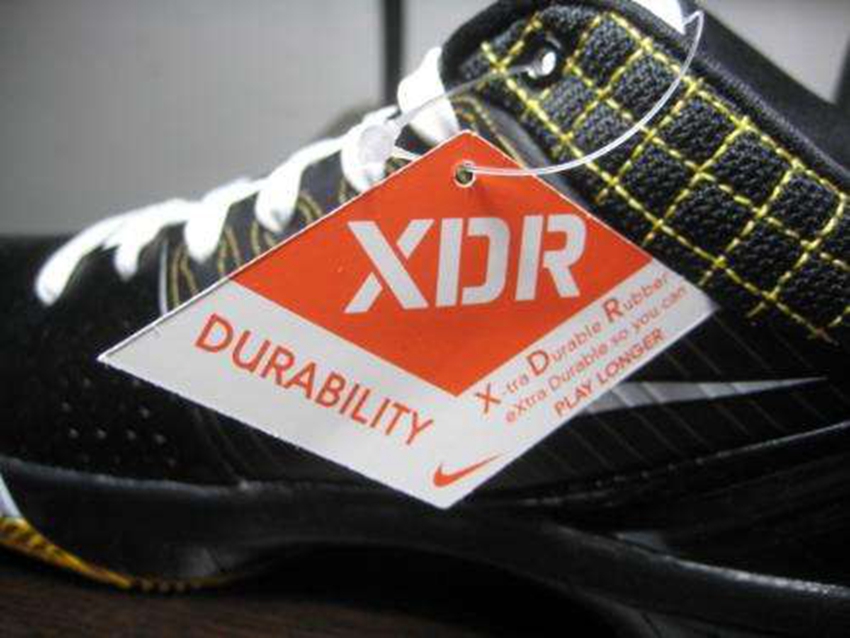
XDR - XDR is Nike's Extra Durable Rubber technology, and shoes with XDR will have a logo tag on the shoe and a thicker outsole pattern.
Other relevant terms
ASG - Abbreviation for All-Star Game, specifically the NBA All-Star Game, where each year the brand releases a special colorway of its flagship shoe, often labeled ASG.
Alpha Project - In the 1990s, Nike launched products representing the top technology and concepts with the five points, which represent the five stages of production (investigation and inquiry, exploration of needs, innovation and perfection, testing and verification, and production and use). The classic shoes in this series include the Air Flightposite series, Peyton related signature shoes, Huarache 2K4 and so on.
Black History Month (BHM) - Black History Month. To commemorate the achievements and significance of the black movement, every February is Black History Month (BHM) in the United States, and various manufacturers release BHM products to honor this history.

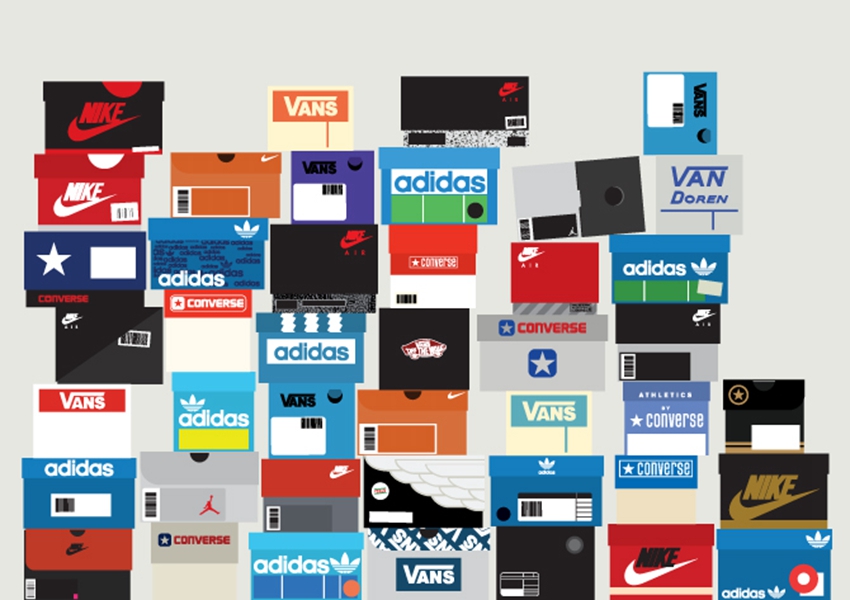
Box - Shoebox.
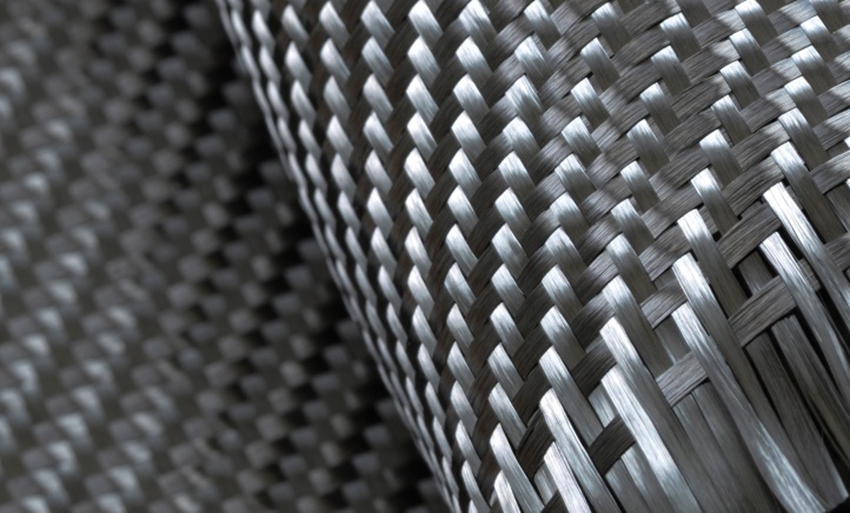
Carbon Fiber - Carbon fiber. Stacked by organic fibers such as flake graphite microcrystals along the axial direction of the fiber. It is flexible on the outside and rigid on the inside, lightweight and corrosion-resistant. After special processing as an important material for the stable support of sneakers.
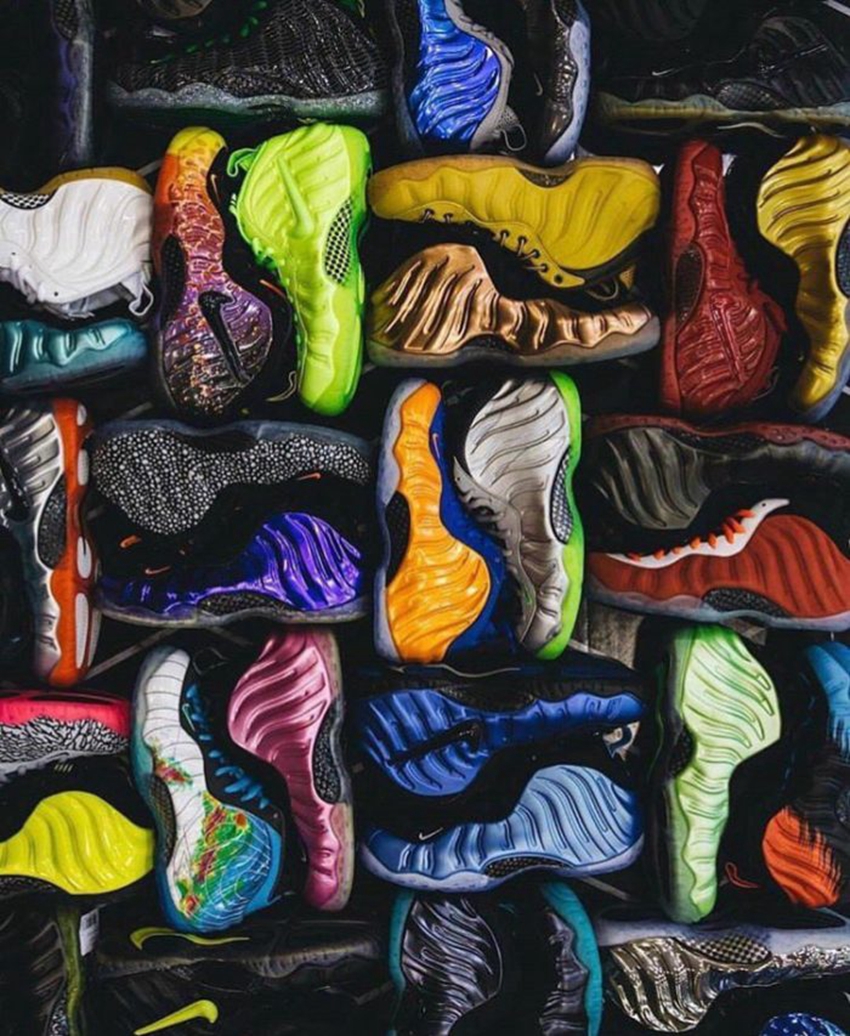
Colourway - Colorways. Multiple colorways of one shoe design.
Condition - Condition: 9.5 usually means 95% new. Often described in tenths or percentages.Condition: 9.5 Usually means 95% new.
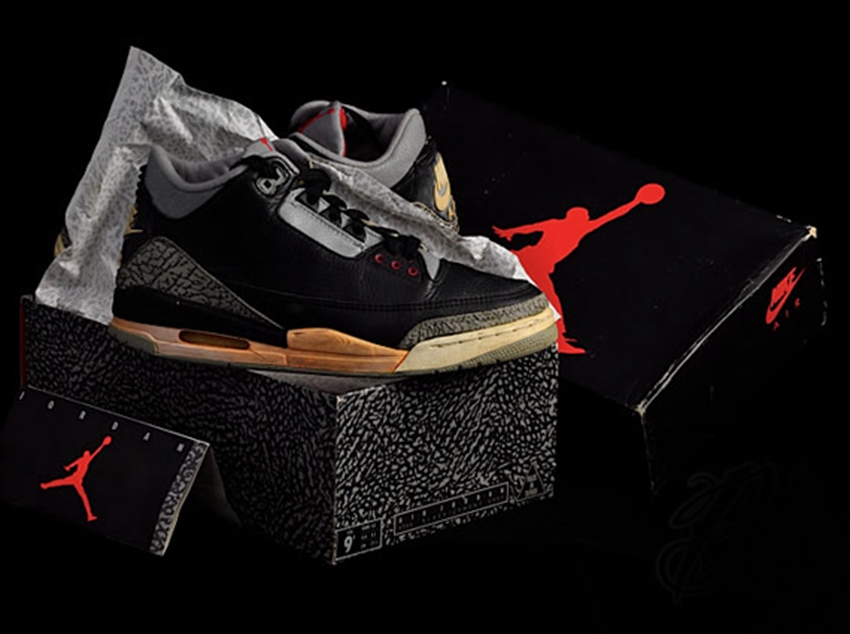
Deadstock (DS) - Brand new sneakers. Commonly used in the resale market to describe the brand new condition of the sneakers.
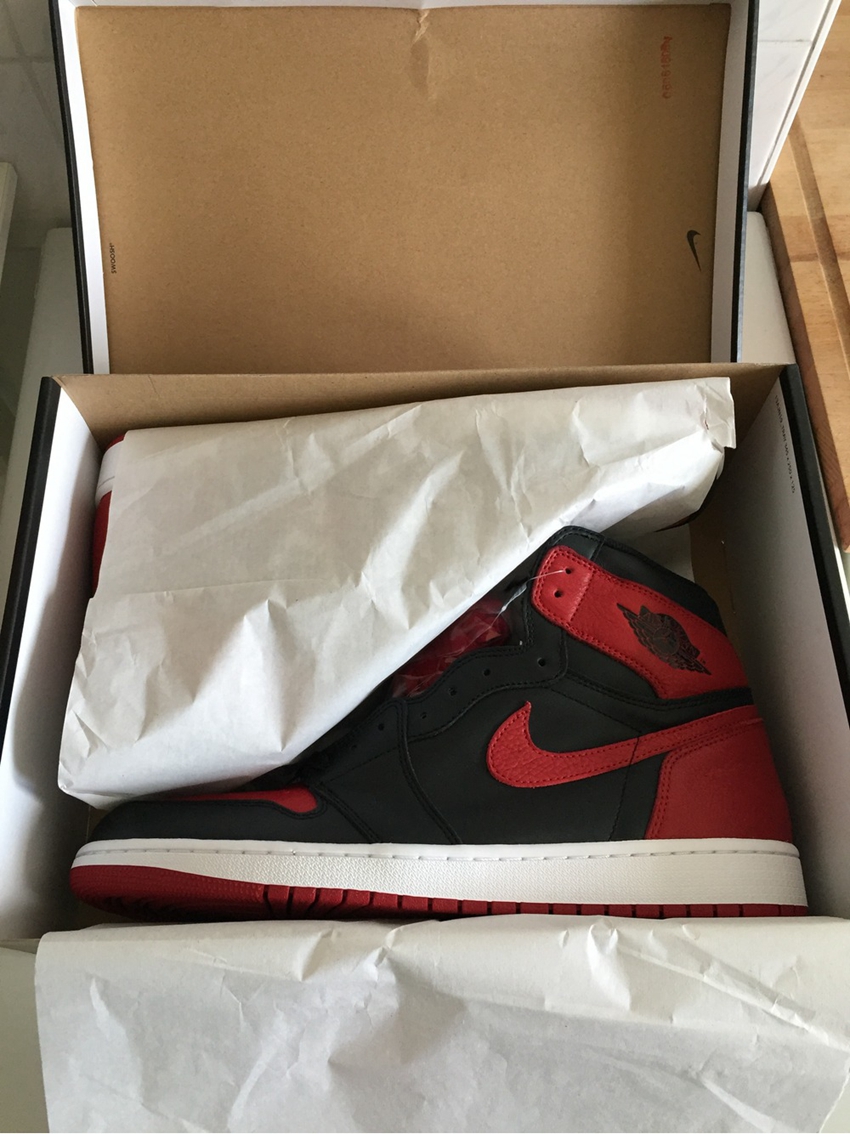
eBay (web auction company) - The largest overseas e-commerce platform. Shoe enthusiasts can buy or sell their favorite shoes through ebay, usually in two ways: one price and one auction.

Elite - Elite Edition.
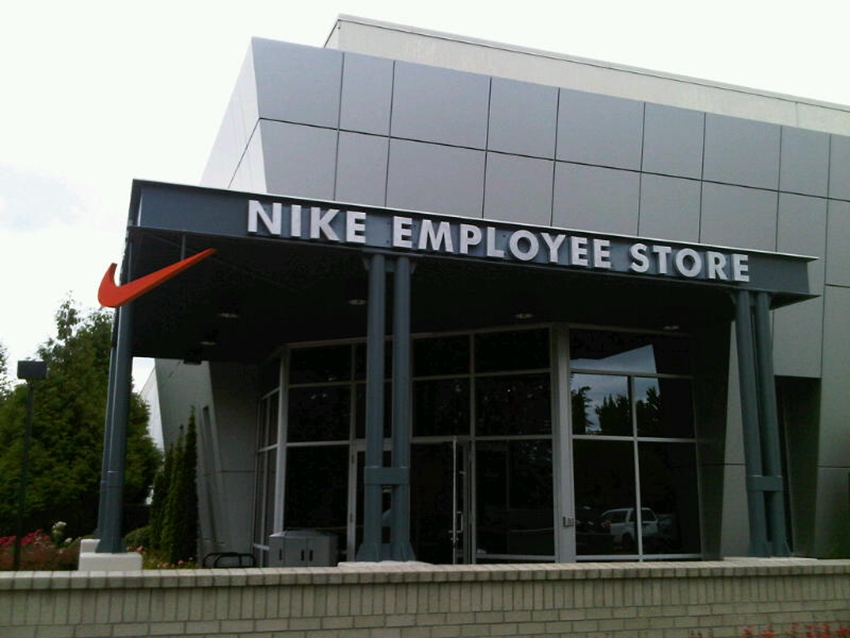
Employee Store - Employee Store. A retail establishment run by a brand specifically for employees or family members of the company. Often heavily discounted merchandise is offered in employee stores that are open only to employees and their families.
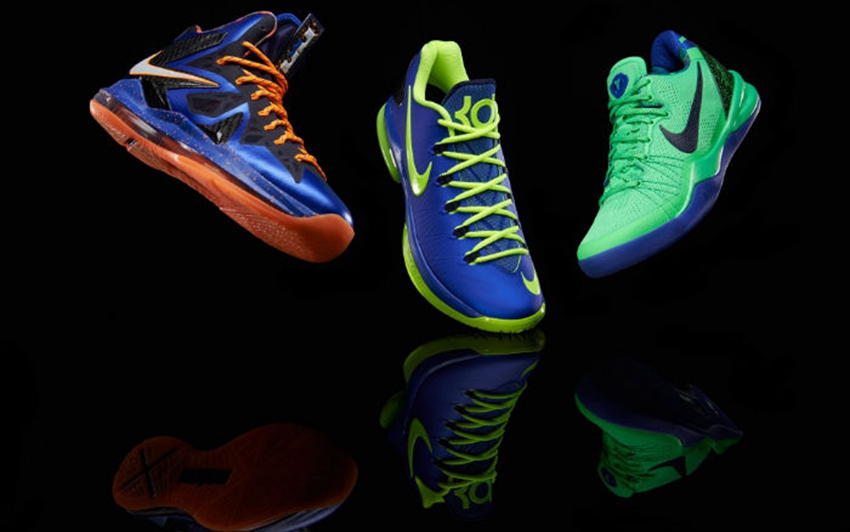
EXT - Off-court version, a general term for a casual model of sneaker.
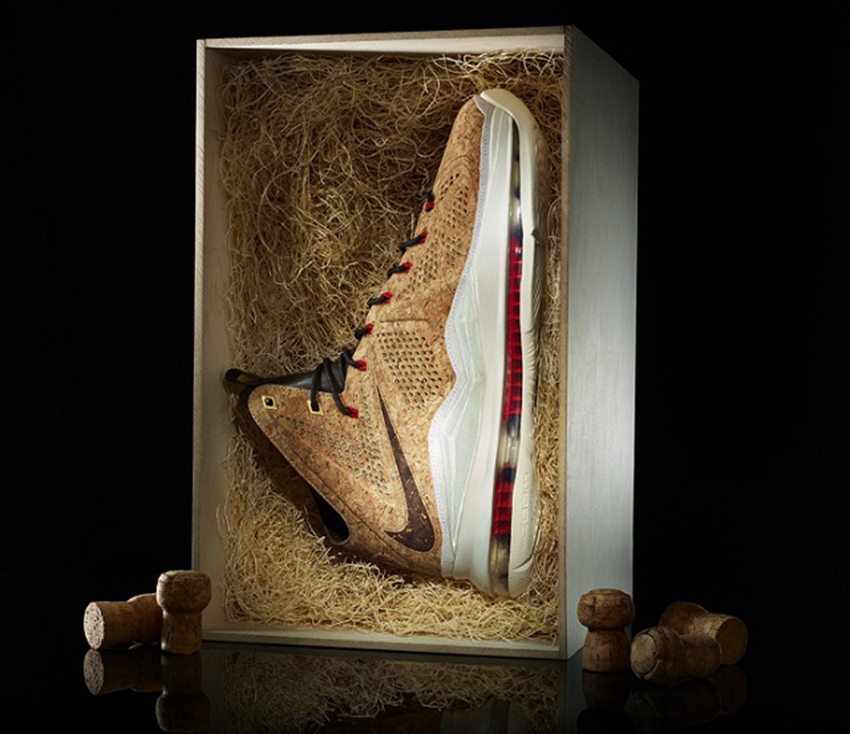
Fake - Fake shoes. Refers to counterfeit products that are difficult to distinguish from the genuine ones. With the growing maturity of sneaker identification nowadays, the chances of buying Fake have also dropped significantly, and it is recommended that friends who do not have the ability to identify, take the initiative to identify the new shoes after receiving them to avoid being cheated.
FIT - Nike apparel that utilizes FIT technology is labeled with specific categories, including Dri-FIT for wicking, Therma-FIT for warmth, Clima-FIT for waterproofing, and Storm-FIT for resistance to snow and wind, as well as three acronyms: F for Functional, I for Innovative, and T for Technology. In addition, FIT is an acronym for three words: F for Functional; I for Innovative; and T for Technology.
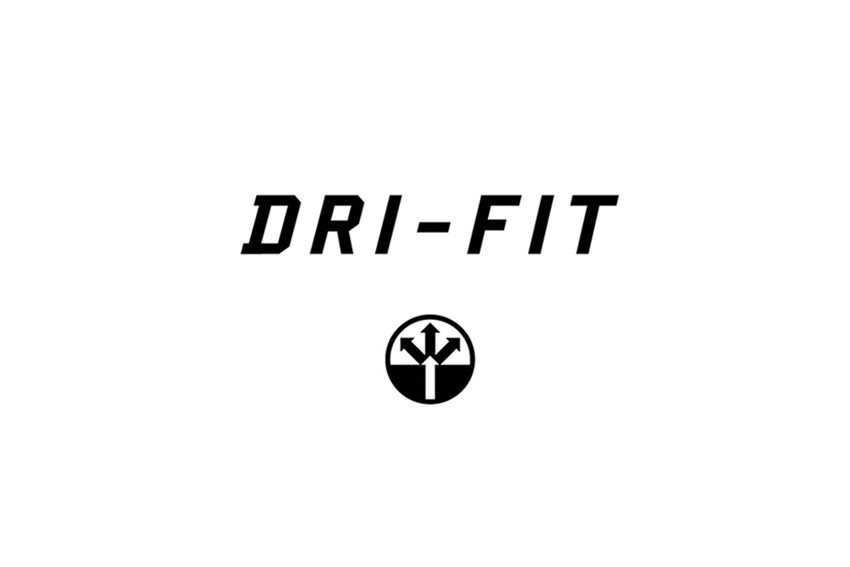
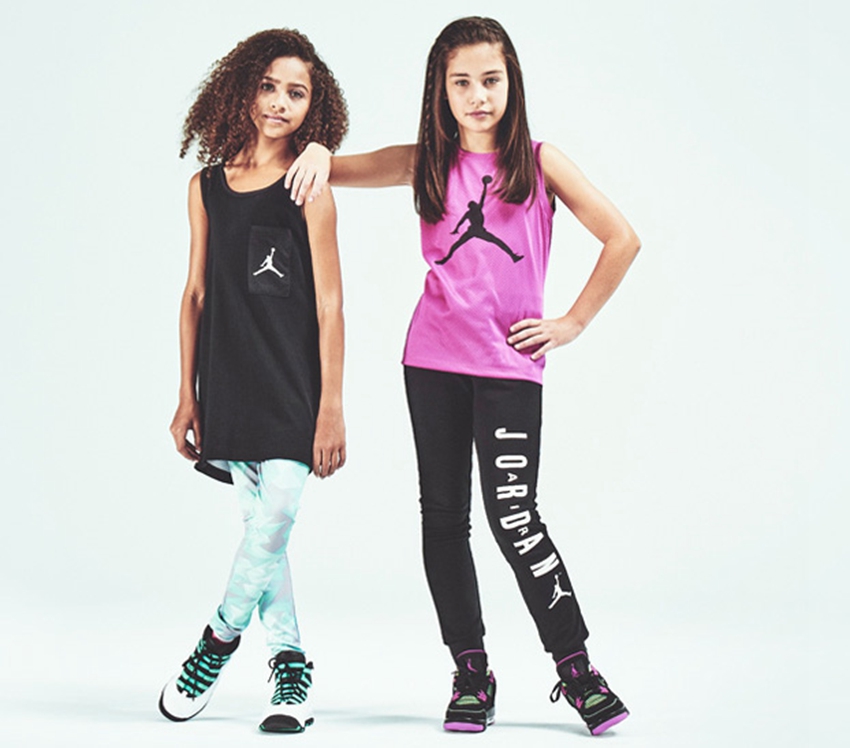
Grade School (GS) - Big Kid's Shoes. The Air Jordan GS is often thought of as an icon of women's footwear due to its size range, which is suitable for women's wear. The exact meaning of the term is Grade School, which means big kid's shoes in the sneaker world. Sizes range from EU35.5 to EU40, and even up to EU43 in foreign countries, while in recent years Jordan Brand has refined the labeling of its grade school shoes, subdividing the GS into BG Boys Grade School and GG Girls Grade School. If someone says GS is for women's shoes, then you'll have to correct them.
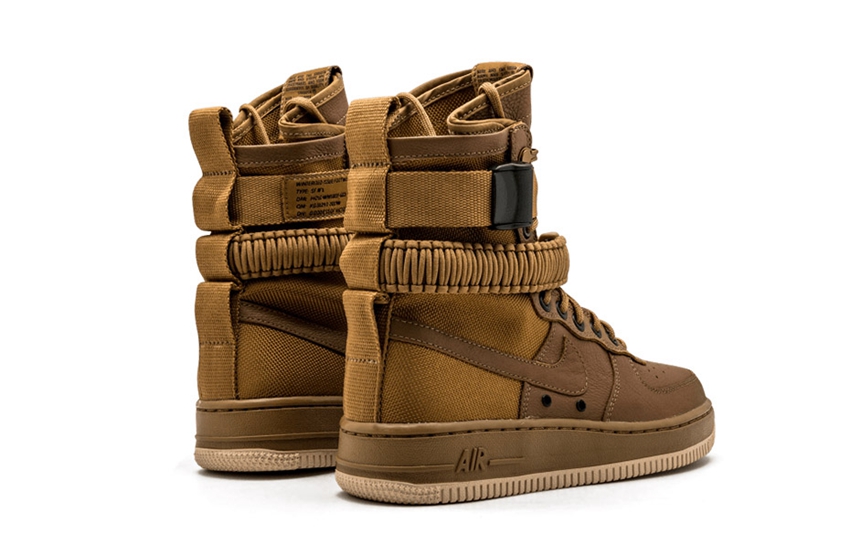
High - High-top sneakers.
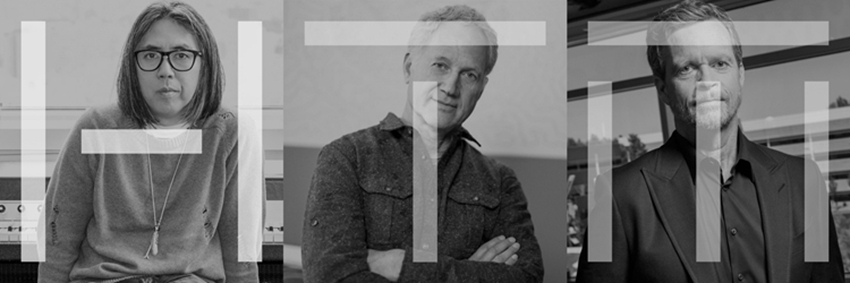
HTM - A collection from the godfather of Japanese fashion, Hiroshi Fujiwara, legendary Nike designer Tinker Hatfield and Nike CEO Mark Parker.
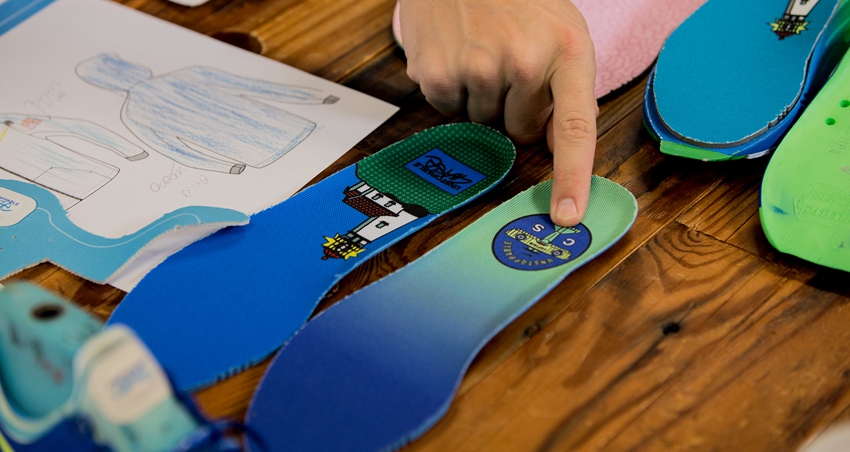
Insole - Insole, insole.
Jordan Brand - As Nike's most famous basketball star, Michael Jordan has released 31 original signature sneakers since signing on in 1984, while Jordan Brand, established in 1997, has evolved the Air Jordan series of sneakers into an independent brand parallel to Nike, with a product line that has evolved from being limited to basketball shoes to a more comprehensive range of products for training, running, and life. The product line has evolved from basketball shoes to training, running and lifestyle products.
Low - Low-top sneakers.
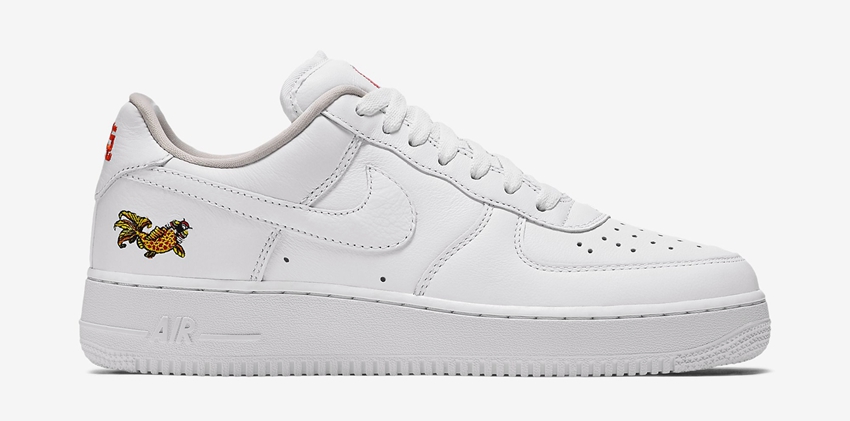
Limited edition (LE) - Limited edition sneakers.
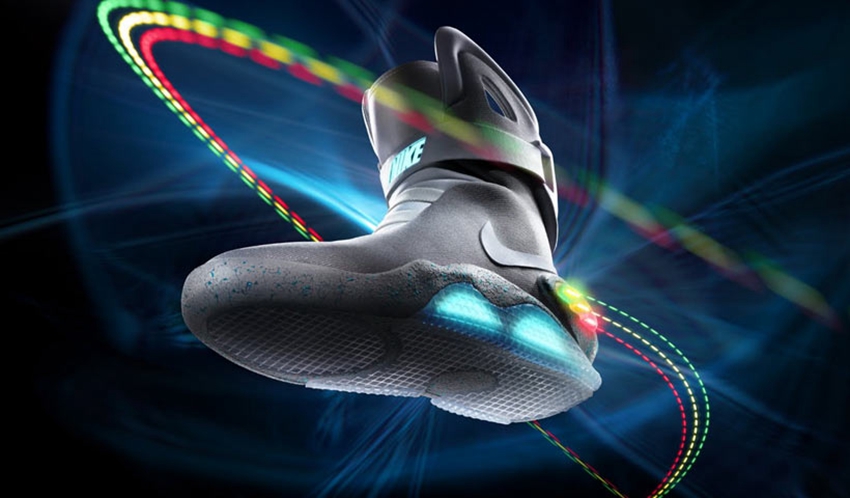
Mid - Mid-top sneakers.
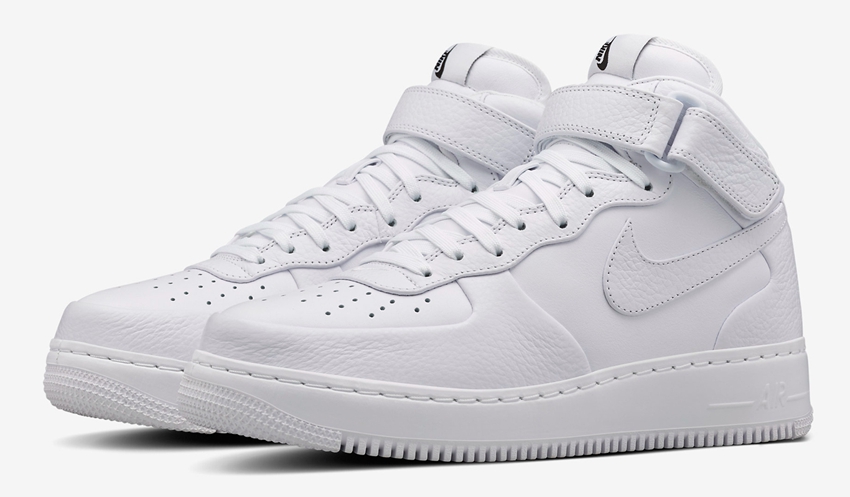
Midsole - Midsole.
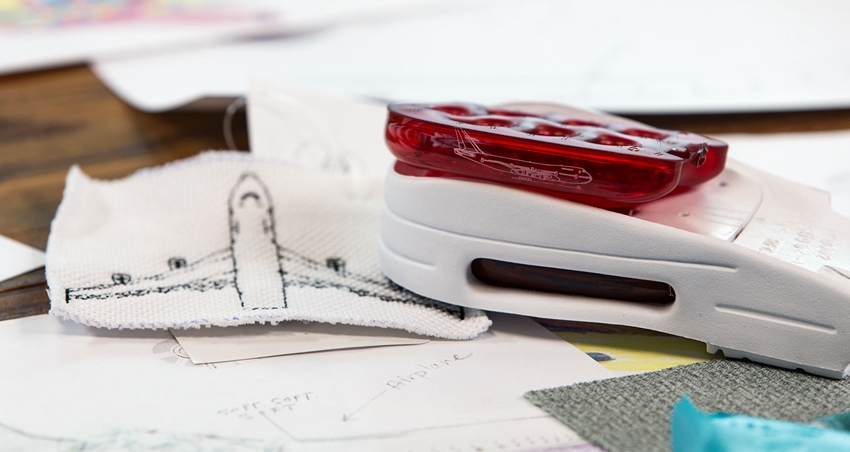
Never worn (Tried)) - Never used (tried on) means that the sneakers are in brand new condition and have not been put on the feet.
Nike Skate Boarding (Nike SB) - The Nike Dunk SB Low is Nike's specialty skateboarding product line. The most recognizable item is the Nike Dunk SB Low, which takes Nike's classic Dunk basketball shoe and transforms it into a thicker tongue with Zoom Air cushioning for skateboarding's specific needs.
Nike Sportwear (NSW) - Nike Sportwear is Nike's first line of products that emphasizes the "modern lifestyle" by reducing the concept of "sport". The line incorporates classic elements into trendy pieces that are not only innovative and technologically advanced, but can also be worn for everyday casual wear.
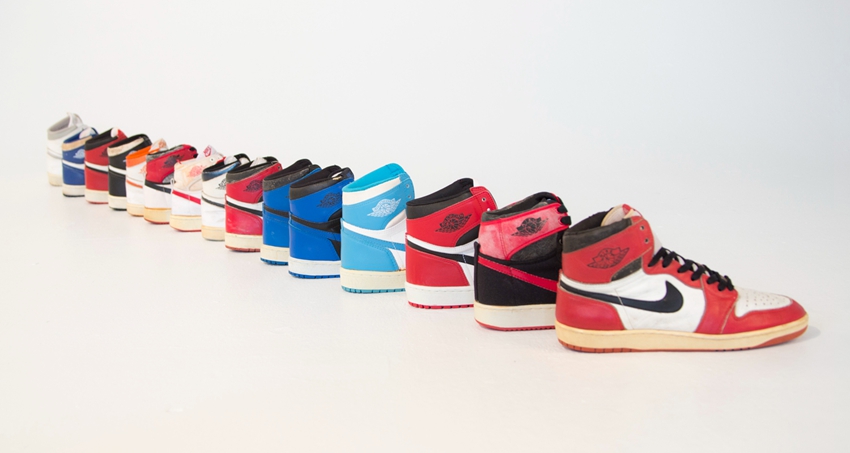
Original (OG) - A general reference to the first year, the original version.
Outsole - Outsole.
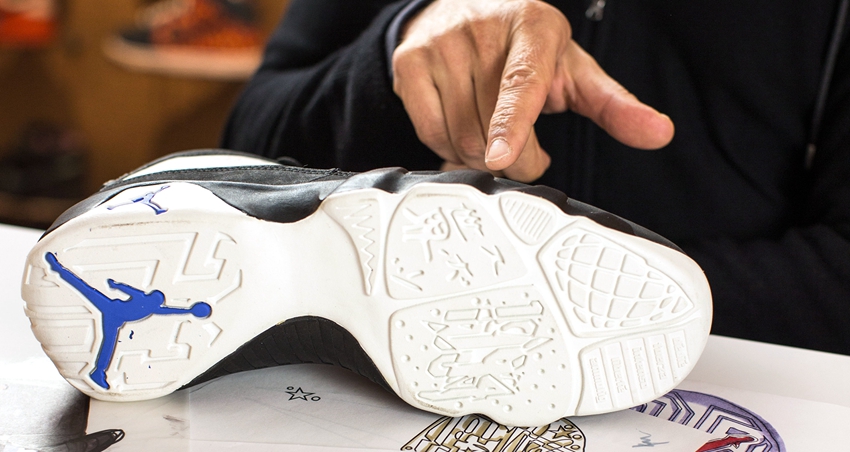
Paypal - PayPal. It is a wholly owned subsidiary of eBay. Commonly understood as foreign Alipay.

Player Exclusive (PE) - Player Exclusive, short for Player's Edition, refers to an exclusive sneaker made specifically for a certain athlete, usually with a personal logo and exclusive color scheme injected into the design of the shoe. They are usually designed with personalized logos and exclusive colorways. They are also differentiated from the commercially available versions in terms of technology and performance, making them a hot item for sneaker collectors.
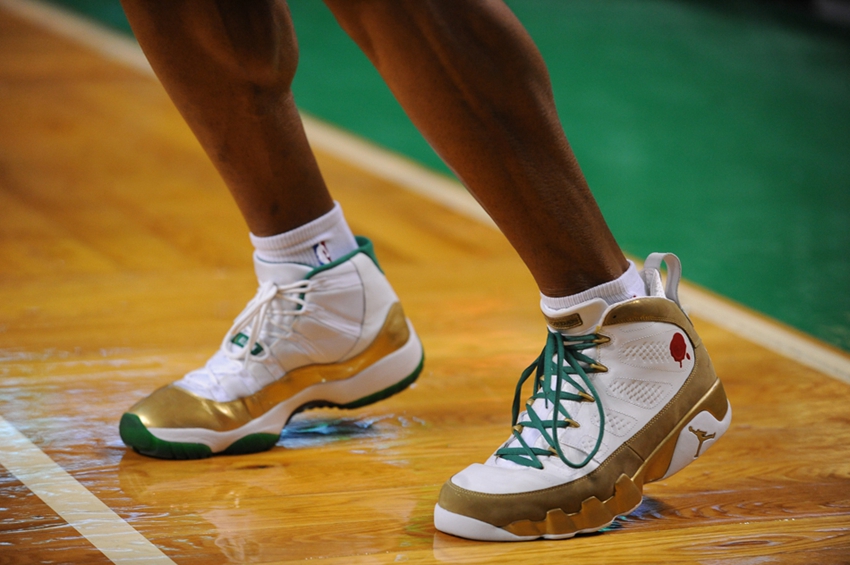
Pre-owned - Used shoes, meaning used.
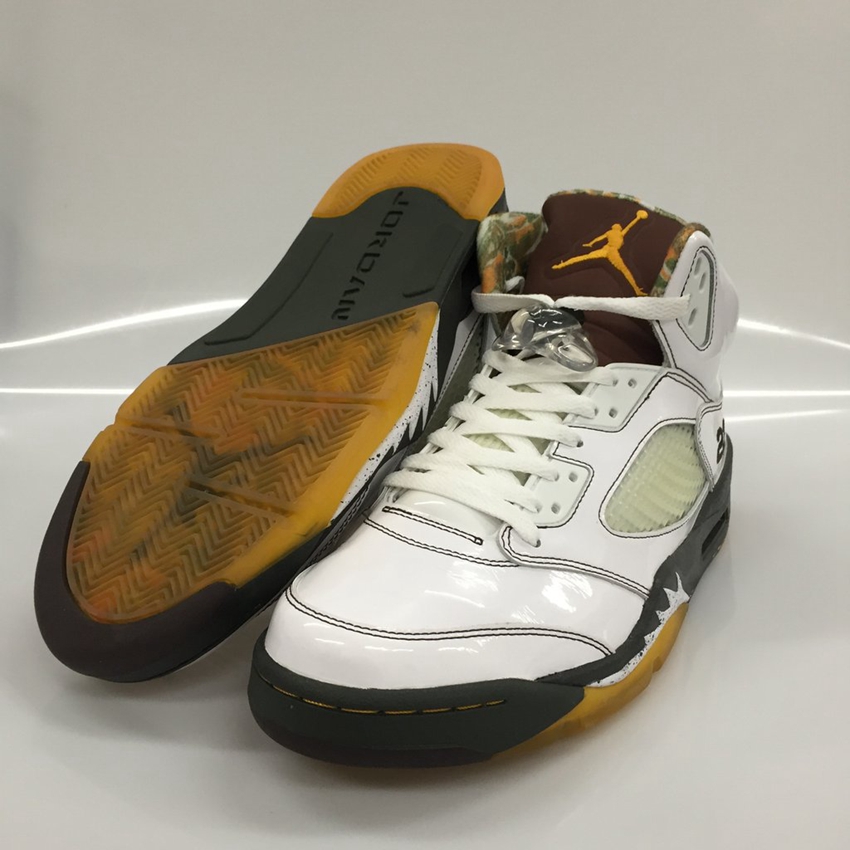
Premium (PRM) - Nike's labeling of premium shoe craftsmanship is commonly seen in the Air Jordan 4 luxury collection, which retails for $$400 ($2,999 RMB).
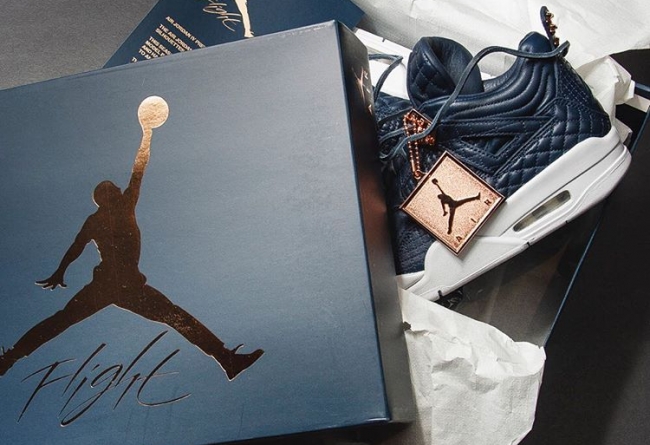
Quick Strike (QS) - QS is the abbreviation of Quick Strike, a kind of Nike surprise release. Usually, the release date is rarely publicized and the number of shoes is smaller than the general shoes. With the current development of online media, the release information of QS has gradually lost its mysterious veil.
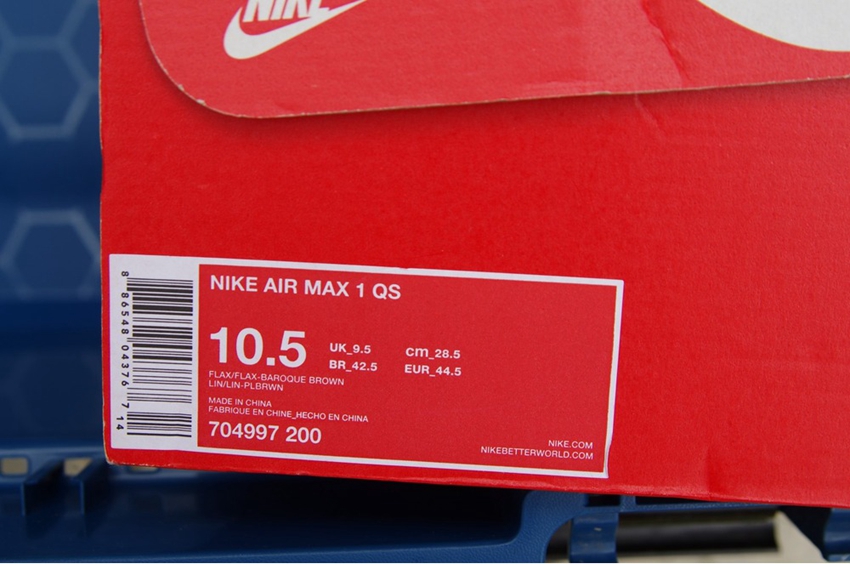
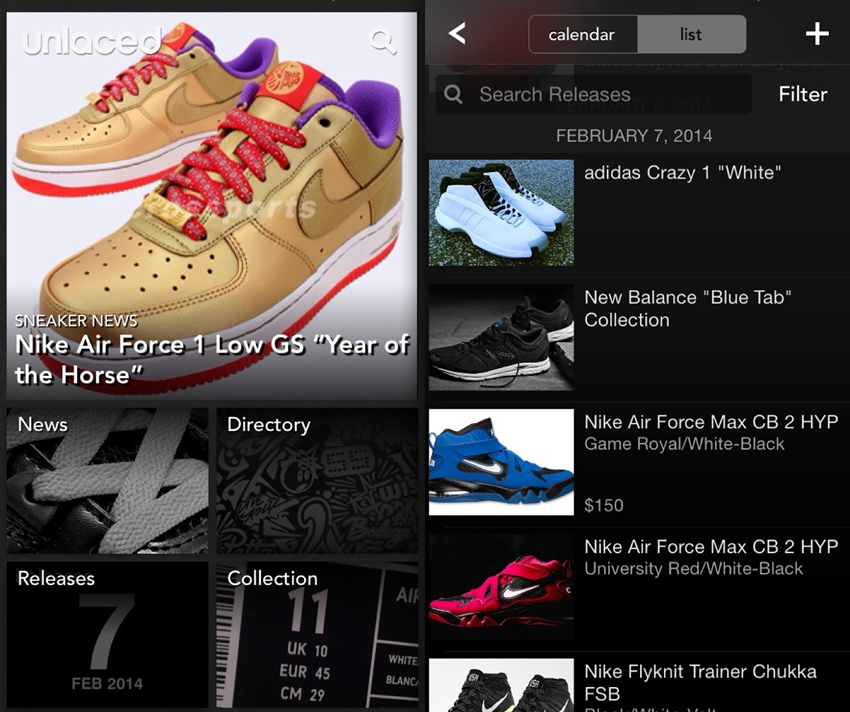
Release Date (Releases) - Sneaker Release Date.
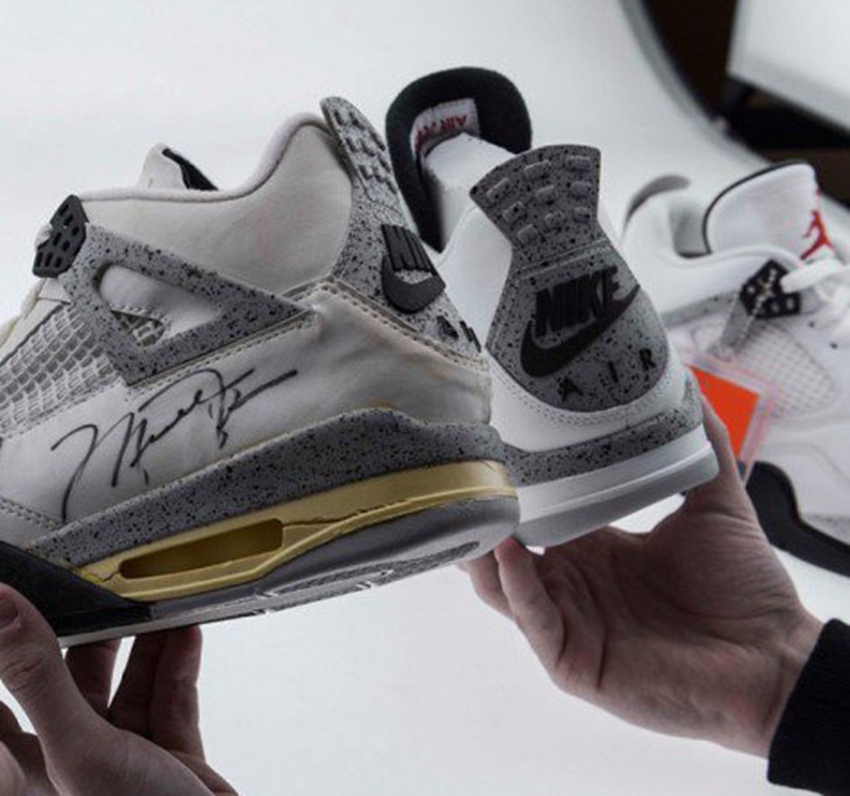
Retro - Retro. Years after the release of the first year sneaker, the popularity of the shoe continues to grow, resulting in the production of an identical replica of the shoe.Retro sneakers are made with as many of the same details and features as the OG version, whereas a reduced replica of the sneaker would be frowned upon by the fan base.
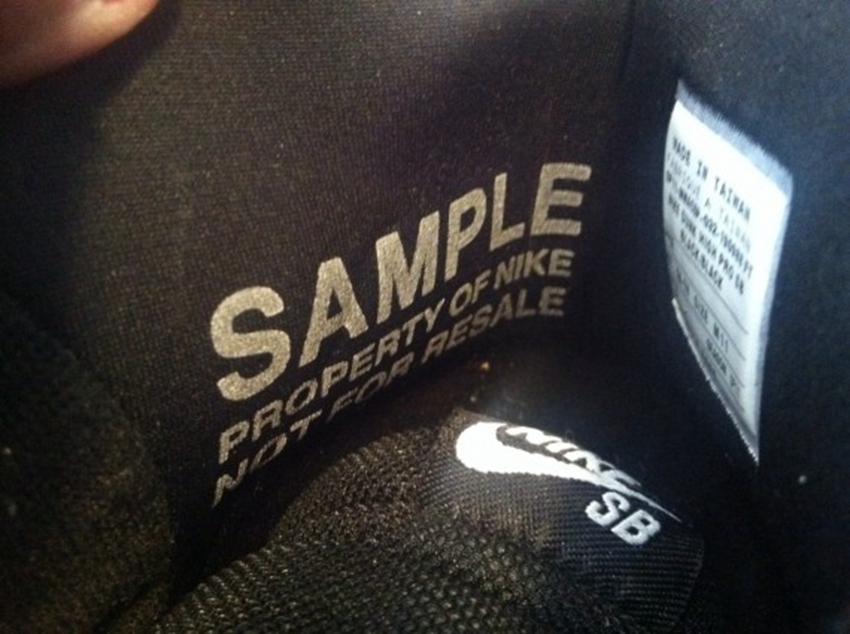
Sample - Sample Shoes. In the process of developing sneakers, brands will make several pairs of samples for decision-making, reference, improvement and display, which are usually different from the future shoes on the market. Due to the extreme rarity of these shoes, they have become one of the most popular types of shoes among collectors.
Special Edition (SE) - Special Edition.
Sneakerhead - A collective term for sneakerheads.
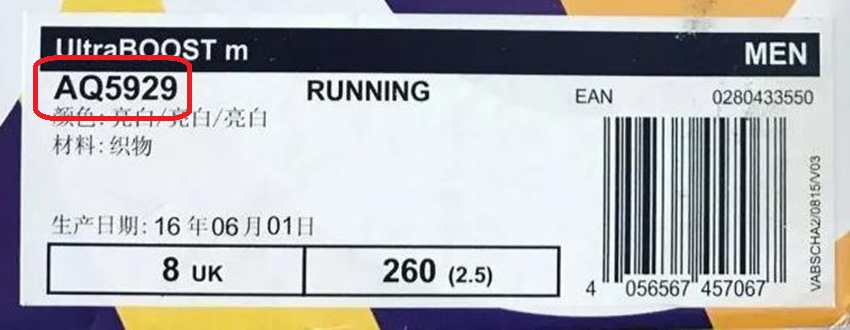
Style Code - Shoe item number, the identification code of each sneaker, the item number format is slightly different between brands, in the case of knowing the item number, it is easy for players to search for related items in the e-commerce platform.
Swoosh - Nike The English name of the hook, meaning "swishing sound".
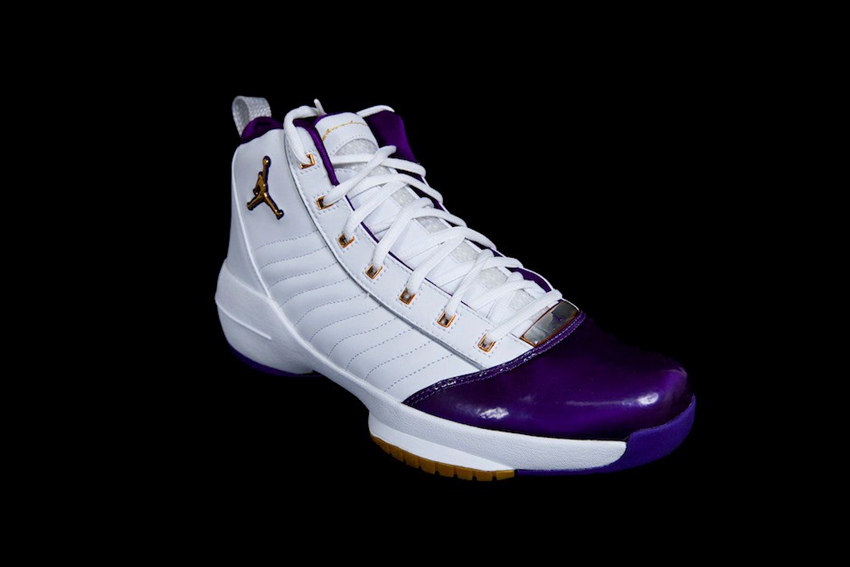
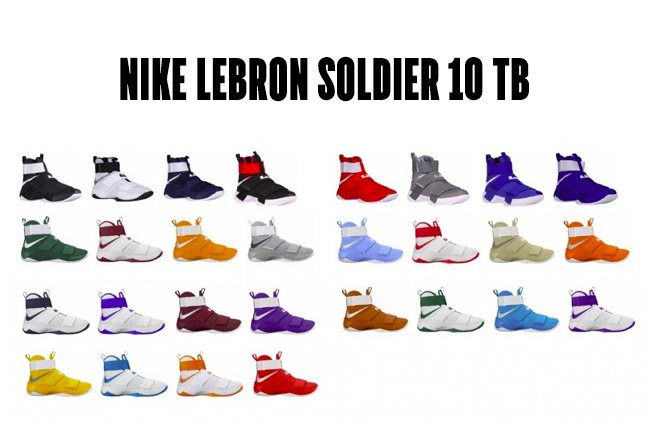
team basketball (tb) - Team Edition, the team colorway version of the sneaker designed for the team.
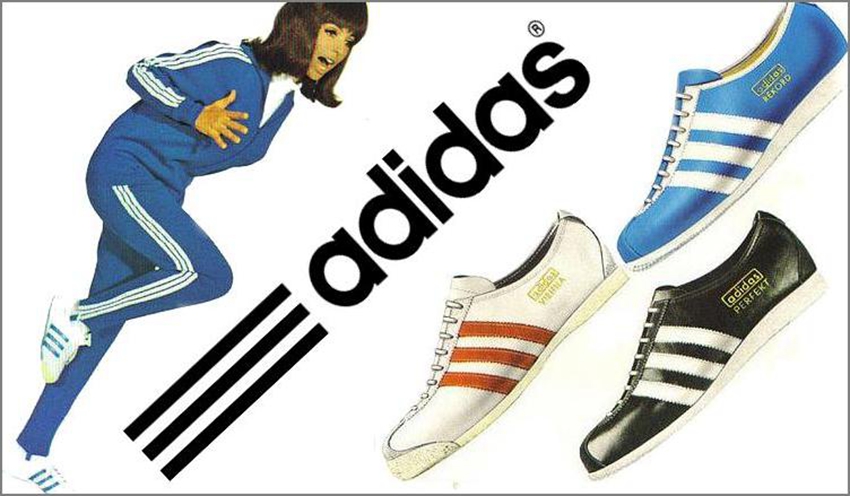
Vintage - Vintage. A generalized term for early shoes that have aged well.
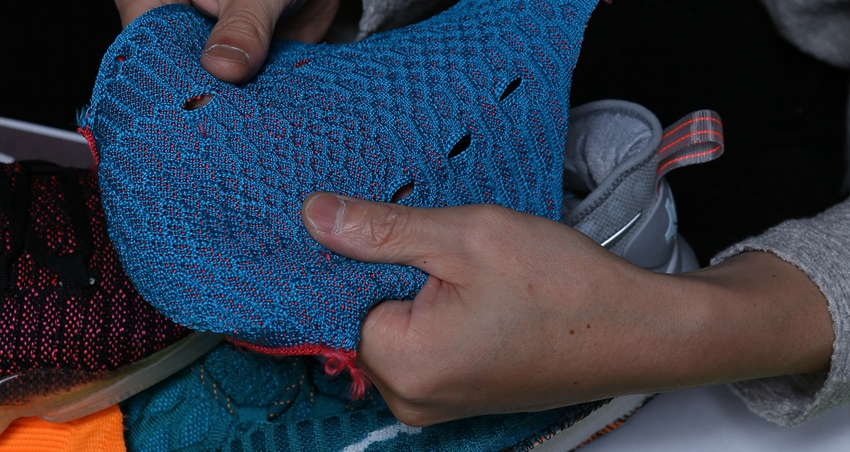
Upper - Upper.
Thank you for your interest and support, we will continue to track the latest release information and report in time!
Please, please, please share our quality articles with your friends too!


 简体中文
简体中文  English